By Dr Elizabeth Crake
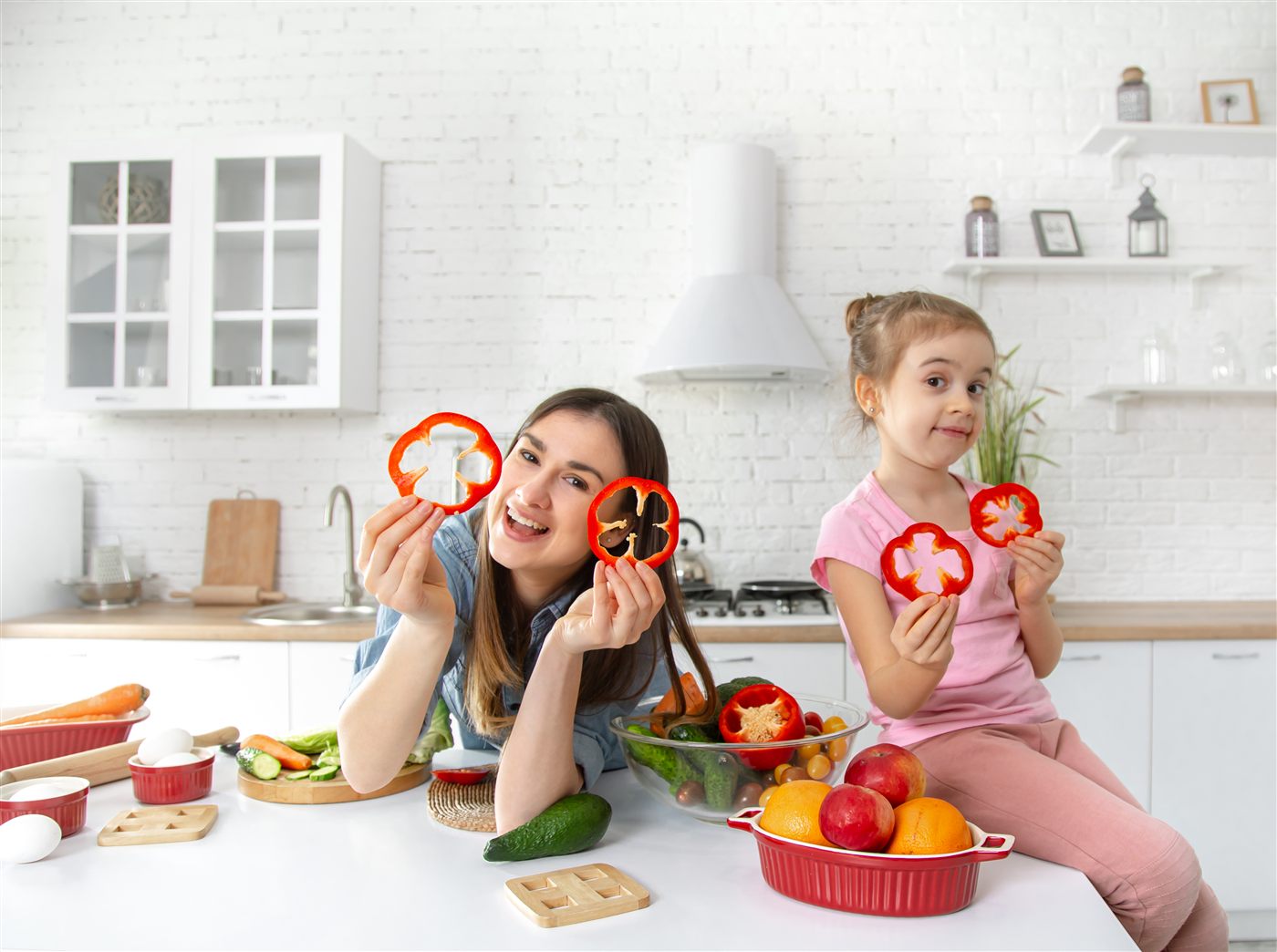
What you put on your plate matters to your smile just as much as what you do with your toothbrush. From the cheese counters and greengrocers of Wimbledon Village to the coffee shops along the High Street, the choices we make every day either feed the bacteria that cause decay or help keep enamel strong. Here's our practical guide to the best foods for healthy teeth, and the worst offenders worth keeping to mealtimes, with a few local favourites along the way.
Why diet matters more than you might think
Every time you eat or drink something sugary, the bacteria in plaque produce acid that softens your enamel for around an hour afterwards. It isn't just how much sugar you eat, but how often. Grazing on sweets, biscuits or sugary drinks through the day keeps your teeth under near-constant acid attack. The NHS recommends cutting down on free sugars, while the Oral Health Foundation advises keeping sugary and acidic items to mealtimes so your mouth has time to recover in between.
The best foods for healthy teeth
A tooth-friendly diet is, happily, also a healthy one. The standout choices share a few traits: they're low in free sugars, they encourage saliva, or they supply the minerals enamel needs.
- Cheese and plain dairy. Cheese is one of the best snacks for your teeth, it's rich in calcium, low in sugar and helps neutralise acid after a meal. Plain yoghurt and milk are excellent too.
- Leafy greens and crunchy vegetables. Spinach, kale, celery, carrots and cucumber are low in sugar, high in fibre and the crunchy ones gently scrub the teeth as you chew.
- Nuts and seeds. Almonds, walnuts and pumpkin seeds offer protein and minerals with virtually no sugar, making them a smarter snack than a cereal bar.
- Water, ideally still and fluoridated. It rinses away food debris, supports saliva and contains no sugar or acid. It's the best everyday drink for your teeth, hands down.
- Whole fruit in moderation. Apples and berries bring vitamins and fibre; just enjoy them at mealtimes rather than nibbling all day, as even natural sugars feed acid.
The worst offenders to limit
Some everyday favourites do real damage when eaten or sipped frequently. You don't have to ban them, simply enjoy them with meals, not as all-day grazing.
- Sweets, biscuits and cakes, especially sticky or chewy ones that cling to teeth.
- Fizzy drinks, energy drinks and squash, high in sugar and acid, a double hit on enamel.
- Fruit juices and smoothies, even "healthy" ones are concentrated free sugars; the NHS suggests limiting them to 150ml a day, at mealtimes.
- Dried fruit, sugary and sticky, it lodges in the grooves of teeth far longer than fresh fruit.
| Best for your teeth | Limit to mealtimes |
|---|---|
| Cheese, plain yoghurt, milk | Sweets, toffees and chocolate |
| Leafy greens & crunchy raw veg | Biscuits, cakes and pastries |
| Nuts and seeds | Fizzy, energy and sports drinks |
| Still water (tap or fluoridated) | Fruit juices and smoothies |
| Whole fruit at mealtimes | Dried fruit and cereal bars |
This is general guidance, not a strict prescription, for advice tailored to your own teeth, our team is always happy to help at a routine check-up.
Some of the best tooth-friendly choices are right on your doorstep. The greengrocers and weekend market stalls around Wimbledon Village and the Common make it easy to pick up fresh greens, crunchy veg and a good wedge of cheese. After a coffee or an iced lemonade at one of the High Street cafes, especially during the Championships, when sugary treats and Pimm's flow freely, a glass of still water helps rinse away the acid and keeps staining at bay.
A word on drinks and staining
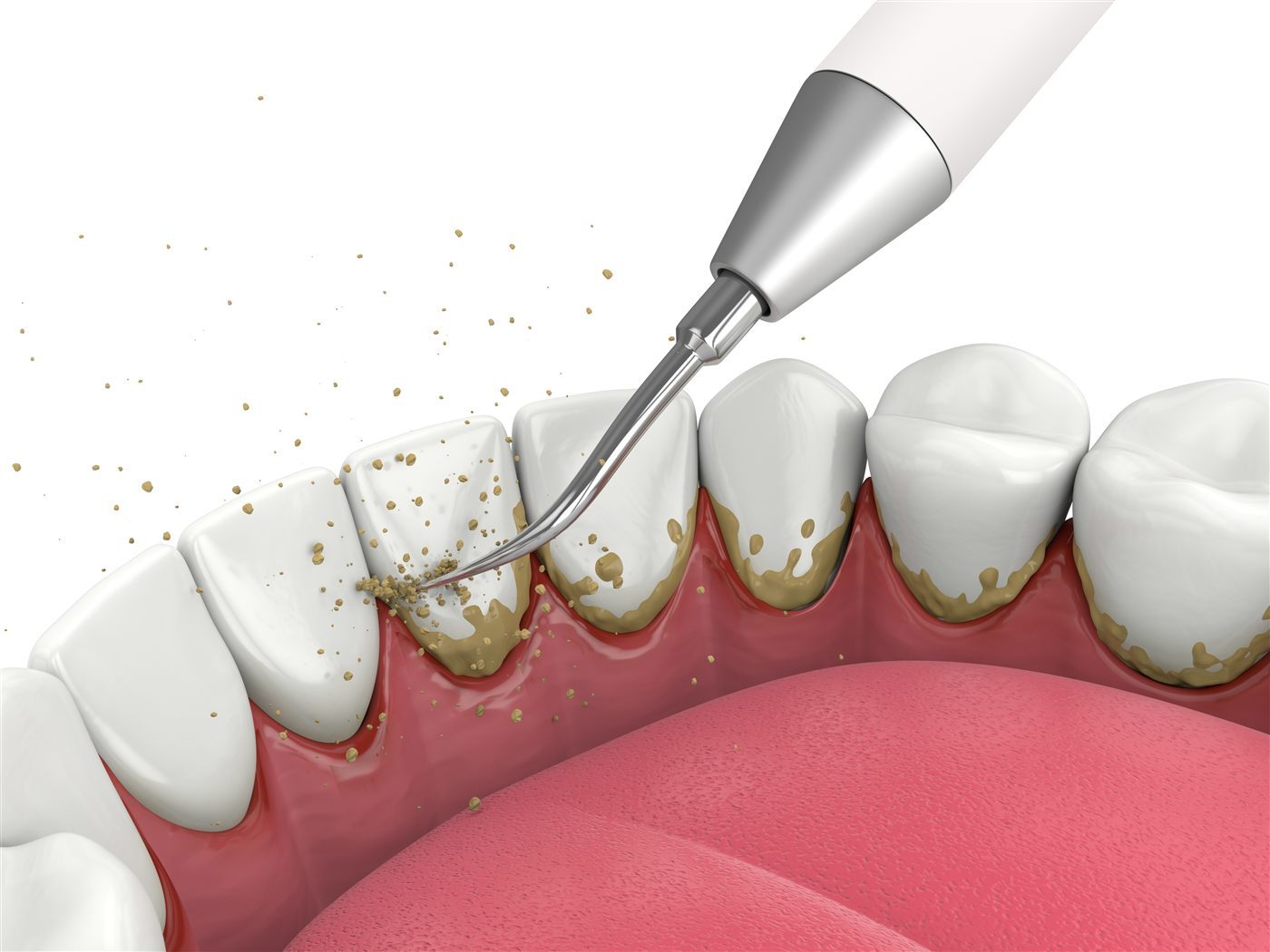
Wimbledon's hard water and our collective love of coffee, tea and red wine can leave teeth looking dull over time. These drinks don't cause decay the way sugar does, but they do stain. Sipping water alongside them, and not brushing for around 30 minutes after anything acidic, both help protect enamel. A professional hygiene clean, standard from £90, or premium Airflow stain removal from £120, lifts the staining that no toothbrush can reach.
Keep your smile bright with a Wimbledon hygiene visit
Dr Elizabeth Crake and the team at The Dental Lounges Wimbledon offer diet-friendly check-ups and professional cleans, with appointments to suit your week.
Book an appointment Explore hygiene visitsSimple habits that make the biggest difference
You don't need a complicated regime, a few consistent habits protect your teeth far more than the occasional treat ever harms them:
- Keep sugary and acidic foods to mealtimes so your mouth recovers in between.
- Finish a meal with cheese or a glass of water to help neutralise acid.
- Brush twice a day with fluoride toothpaste, last thing at night and on one other occasion, as the NHS advises.
- Chew sugar-free gum after eating when you can't brush, it boosts saliva, your mouth's natural defence.
- See your dentist and hygienist regularly so any early problems are caught while they're small.
Pair a tooth-friendly diet with a good routine and regular care at our practice in Wimbledon Village, and you've given your smile the best possible foundation.
Frequently asked questions
Cheese and plain dairy, leafy greens, crunchy raw vegetables, nuts and water are among the most tooth-friendly choices. They're low in free sugars, help neutralise acid and supply the calcium and minerals that keep enamel strong. The Oral Health Foundation recommends keeping sugary foods and drinks to mealtimes.
Sugary snacks, sweets, fizzy and energy drinks, fruit juices and dried fruit are the main culprits, along with acidic drinks that wear away enamel. The NHS advises cutting down on free sugars and limiting sugary or acidic items to mealtimes, rather than grazing through the day.
Both matter. Twice-daily brushing with fluoride toothpaste protects enamel, but how often you eat or drink sugar is the single biggest driver of decay. Every sugary snack triggers an acid attack lasting around an hour, so reducing the frequency of sugar makes a real difference alongside good brushing.