By Dr Elizabeth Crake
After years of looking after smiles across SW19, we notice the same handful of worries coming up again and again in the chair. From the sharp twinge of sensitivity to the gradual dulling of a once-bright smile, most of the concerns Wimbledon residents raise are both common and very treatable. Here are the six we hear about most, what causes each, and the simple ways our team can help.
The six concerns we hear most often
Before we look at each in detail, here's an at-a-glance summary of what patients tell us, what usually lies behind it, and how we typically help.
| Concern | Common cause | How we help |
|---|---|---|
| Tooth sensitivity | Exposed dentine, enamel wear, gum recession | Desensitising care & hygiene visit |
| Staining & discolouration | Coffee, tea, red wine, ageing enamel | Teeth whitening from £495 |
| Crooked or crowded teeth | Natural alignment, crowding over time | Invisalign from £2,500 |
| Missing teeth | Decay, gum disease, injury | Dental implants from £3,100 |
| Bleeding gums | Plaque build-up, early gum disease | Hygiene & gum care from £90 |
| Worn teeth from grinding | Clenching, bruxism, stress | Splint therapy, prices on request |
1. Tooth sensitivity
That sudden wince at an ice cream or hot coffee is one of the most common things we hear. Sensitivity usually happens when the protective enamel thins or the gum recedes, exposing the softer dentine underneath, aggressive brushing, acidic drinks and grinding can all play a part.
The good news is that mild sensitivity often settles with a desensitising toothpaste, a softer brushing technique and a professional clean. If it persists, it can point to a cracked tooth or decay worth checking, so we'd always recommend a general check-up rather than simply living with it.
2. Staining and discolouration
Wimbledon runs on coffee, tea and the occasional celebratory glass of red, all of which gradually stain enamel. Add the natural yellowing that comes with age and it's no surprise that brightening a dull smile is one of our most-requested treatments.
Surface staining often lifts with a professional hygiene clean (from £90), while deeper discolouration responds well to teeth whitening, Lumiwhite £495, Enlighten £695. Where a single tooth is chipped or discoloured, composite bonding from £200 per tooth can reshape and re-colour it in one visit.
Our local lifestyle leaves its mark on our teeth. Wimbledon's hard water, the daily flat white on the High Street and a Pimm's during The Championships all add up to more staining than you might expect. A twice-yearly hygiene visit is the simplest way to keep a bright smile looking its best between whitening top-ups.
3. Crooked or crowded teeth
Plenty of adults tell us they've quietly wished their teeth were straighter for years but assumed braces weren't for them. Mild crowding and gaps are very common, and they make cleaning harder too, which raises the risk of decay and gum problems.
Today, discreet clear aligners such as Invisalign (from £2,500) straighten teeth without metal braces, ideal for professionals and parents who'd rather not advertise their treatment.
4. Missing teeth
Whether from an old extraction, gum disease or injury, a missing tooth affects more than appearance, neighbouring teeth can drift and the bite can change over time. Acting sooner usually means simpler treatment.
A dental implant is the gold-standard replacement, looking and functioning like a natural tooth; a complete single-tooth replacement (implant plus crown) starts from £3,100. For several missing teeth, options range from implant-supported bridges to full-arch solutions, all confirmed at a free assessment.
5. Bleeding gums
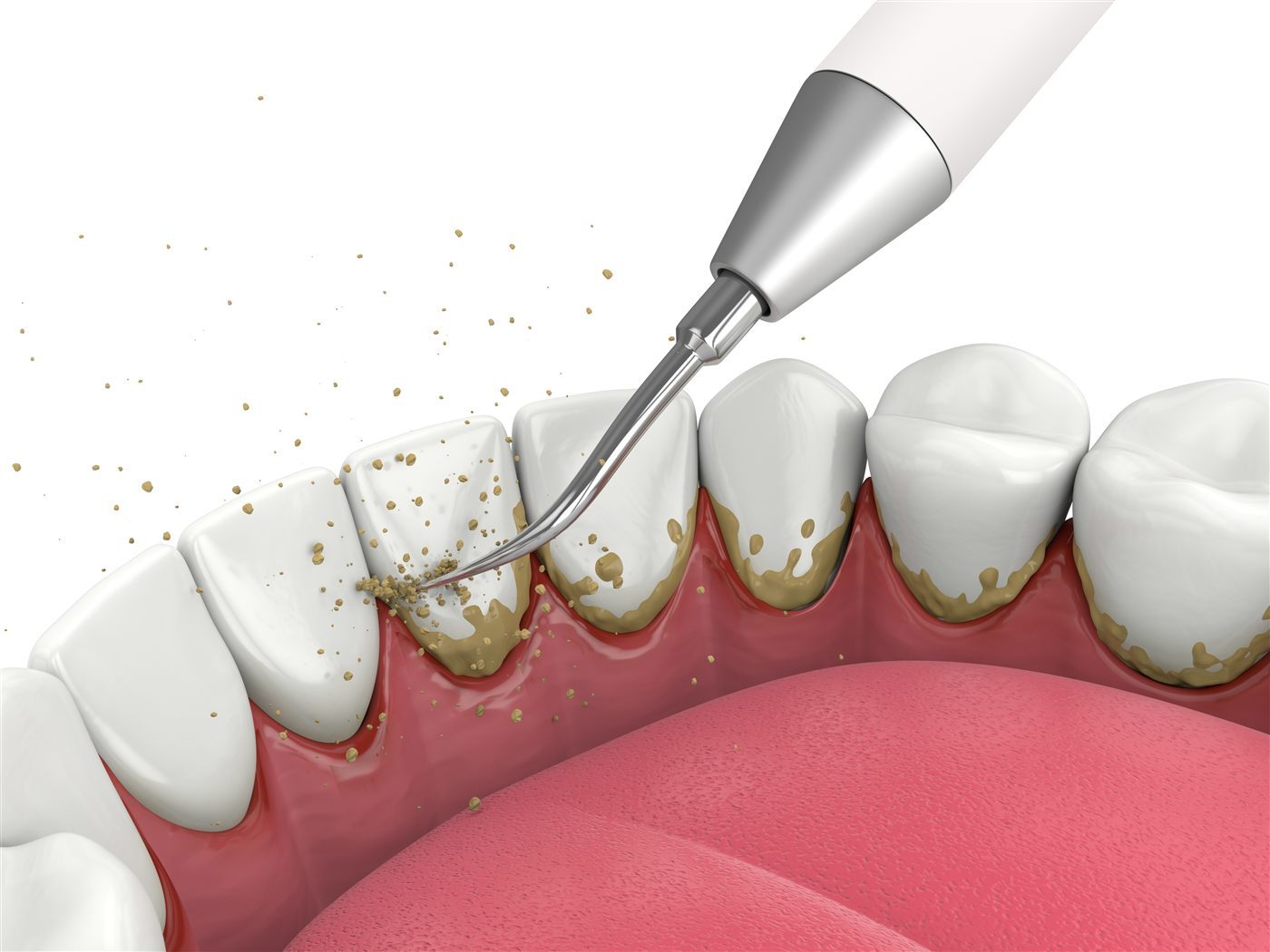
Gums that bleed when you brush are one of the concerns people most often shrug off, but they're usually the earliest sign of gum disease. The NHS notes that early gum inflammation (gingivitis) is generally reversible with good daily cleaning and professional hygiene support.
- Brush twice a day with a fluoride toothpaste, angling the brush gently at the gumline
- Clean between your teeth daily with floss or interdental brushes
- See a hygienist regularly to remove the hardened plaque (tartar) that brushing can't shift
- Don't ignore persistent bleeding, book a check if it carries on for more than a week or two
A hygiene clean from £90 is often all it takes to turn early gum problems around.
Talk to our Wimbledon team about your concern
Whatever's been on your mind, Dr Elizabeth Crake and the team at The Dental Lounges Wimbledon will talk you through your options, no pressure, just clear advice.
Book an appointment Explore general dentistry6. Worn teeth from grinding
Many residents are surprised to learn that flattened, chipped or sensitive teeth can be the result of night-time grinding (bruxism), often linked to stress or an uneven bite. Some grind without ever knowing, only discovering it when we spot the tell-tale wear.
A custom-made night splint is the usual first step, protecting the teeth and easing jaw strain; our TMD and splint therapy is available, contact us for current pricing. Where grinding has already worn or chipped the front teeth, gentle composite bonding can rebuild them without drilling.
When to book a check-up
Most of these concerns are easiest to manage when caught early, which is why regular check-ups matter so much. The interval that's right for you depends on your individual risk, but the NHS offers clear guidance.
| Group | Suggested interval |
|---|---|
| Adults with good oral health | Every 12 to 24 months |
| Adults at higher risk of problems | As advised, often every 3 to 6 months |
| Children and young people under 18 | Every 3 to 12 months |
Intervals are set by the NICE guideline on recall intervals and tailored to you at your visit. Whatever your concern, our friendly team in Wimbledon Village is here to help.
Frequently asked questions
Tooth sensitivity and staining are the two we hear about most often. Both are usually easy to manage, sensitivity often responds to a desensitising toothpaste and a hygiene visit, while surface staining from Wimbledon's coffee, tea and red wine lifts well with professional cleaning or whitening.
Bleeding gums are most often an early sign of gum inflammation (gingivitis) caused by plaque building up along the gumline. The NHS notes it is usually reversible with better brushing, daily cleaning between the teeth and a professional hygiene clean. Persistent bleeding should always be checked, so book an appointment if it continues.
Often, yes. Mild crowding can be straightened discreetly with clear aligners such as Invisalign, while a single missing tooth can be replaced with a dental implant that looks and works like a natural tooth. The right option depends on your bite and goals, which we assess at a consultation.