By Dr Elizabeth Crake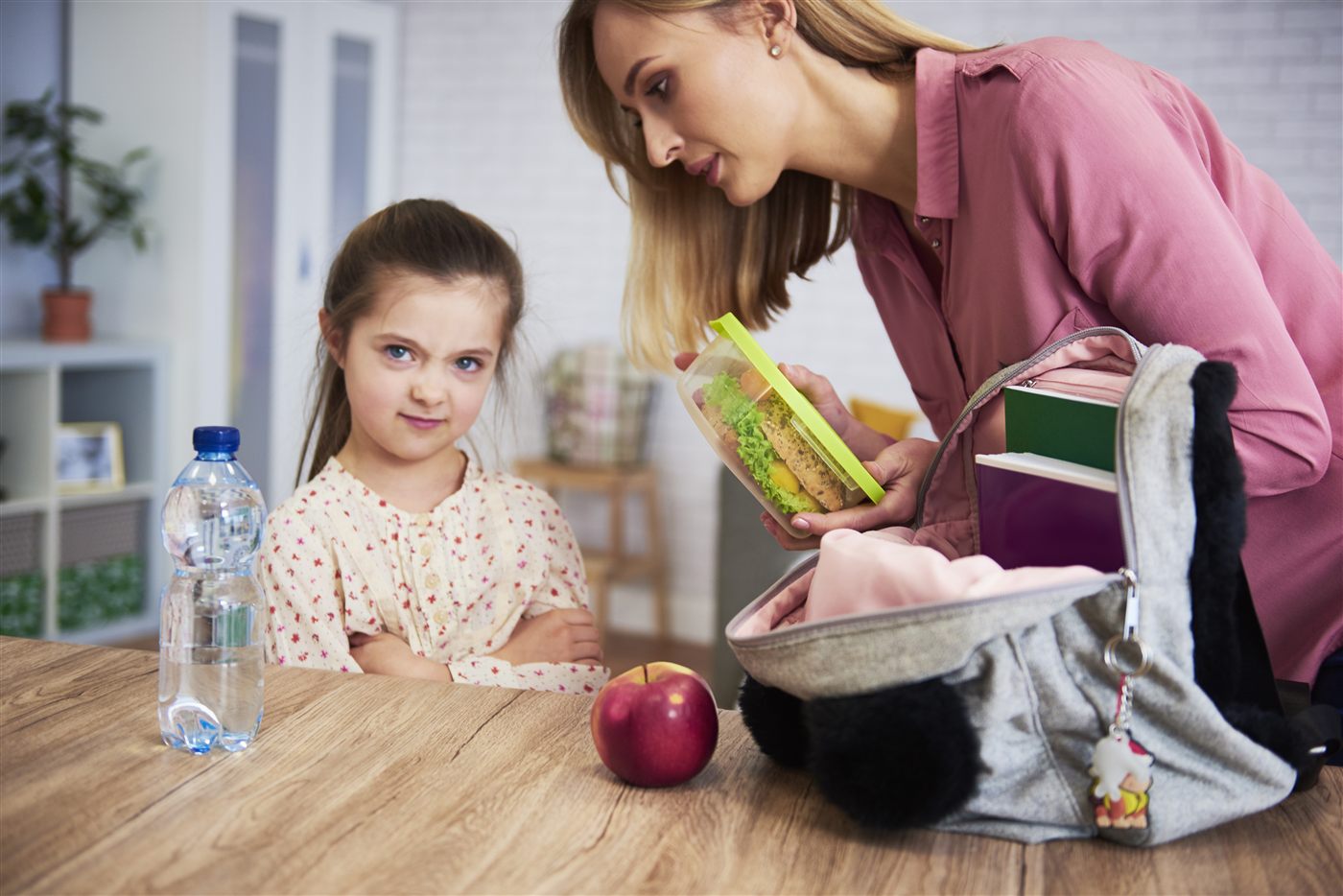
Packing a school lunchbox is one of those small daily jobs that has a surprisingly big impact on your child's teeth. From the primary schools around Wimbledon Village to the secondaries off the Common, we see plenty of young patients whose lunchboxes are quietly doing more harm than the occasional sweet ever could, not because parents aren't trying, but because some "healthy" choices are deceptively sugary or acidic. Here is how our Wimbledon team helps families build lunchboxes that keep little teeth strong.
Why the lunchbox matters more than you'd think
Tooth decay is the most common reason children in England are admitted to hospital, yet it is almost entirely preventable. The key isn't just how much sugar a child eats, but how often their teeth are exposed to it. Every time sugary or acidic food is eaten, the mouth becomes more acidic for up to an hour, softening tooth enamel. A lunchbox grazed on all day, a juice carton here, a packet of raisins there, keeps teeth under near-constant attack.
That's why the simplest win is to keep sugary items to mealtimes only, rather than spread across the day. A focused lunch, followed by water, gives saliva time to recover and re-harden the enamel between meals.
Tooth-friendly swaps that still get eaten
The best lunchbox is the one your child actually finishes, so the trick is gentle swaps rather than a total overhaul. A few that work well:
- Drink: swap juice cartons and squash for water or plain milk. If you do include juice, the NHS recommends no more than 150ml a day, kept to mealtimes.
- Sweet treat: swap cereal bars and dried-fruit "bites" (sticky and high in sugar) for fresh fruit, a small pot of plain yoghurt, or a chunk of cheese.
- Savoury snack: swap flavoured crisps for plain breadsticks, oatcakes, or vegetable sticks with hummus.
- Main: swap sweetened white-bread spreads for wholegrain wraps, pasta, or a pitta with chicken and salad.
- Finisher: a small piece of cheese at the end of lunch helps neutralise acid, a genuinely tooth-friendly habit.
The hidden-sugar culprits
A handful of lunchbox staples catch parents out because they're marketed as healthy. Dried fruit such as raisins is sticky and clings to teeth; smoothies and fruit juices are both sugary and acidic; and many "fruit" snacks and cereal bars contain as much sugar as a chocolate biscuit. None are banned, just better kept to mealtimes and balanced with water.
Watch the after-school top-ups. Many local children head straight from the school gates to clubs or the playgrounds on Wimbledon Common, often with a juice pouch or snack in hand. Those between-meal sugar hits matter as much as the lunchbox itself. A refillable water bottle for the walk home is one of the easiest tooth-friendly habits to build, and the tap water across SW19 is perfectly good to drink.
How often should teeth be exposed to sugar?
It helps to think in terms of "sugar moments" rather than total grams. The fewer separate times a day teeth meet sugar or acid, the better. Here is a simple guide to swaps and timing we share with parents.
| Lunchbox item | Better everyday choice | When to limit it |
|---|---|---|
| Drink | Water or plain milk | Juice/smoothie: max 150ml, mealtimes only |
| Sweet snack | Fresh fruit, plain yoghurt | Dried fruit & cereal bars: mealtimes only |
| Savoury snack | Breadsticks, veg sticks, plain crackers | Flavoured crisps: occasional |
| Lunch base | Wholegrain wrap, pasta, sandwich | Sweetened spreads: occasional |
| End of lunch | Small piece of cheese | — |
This is general guidance, not a strict rulebook, every child is different, and the best plan is one your family can stick to. For tailored advice, our family dentistry team is always happy to help at a check-up.
Book a family check-up in Wimbledon Village
Gentle, preventive check-ups with Dr Elizabeth Crake and the team at The Dental Lounges Wimbledon, appointments that fit around the school day.
Book an appointment Explore hygiene visitsBrushing and check-ups: the other half of the job
Even the best lunchbox needs backing up at home. The NHS advises brushing twice a day with a fluoride toothpaste, last thing at night and on one other occasion, and supervising brushing until around age seven. Children shouldn't rinse with water straight after brushing; spitting out and leaving a little toothpaste behind lets the fluoride keep working.
Regular dental visits complete the picture. NHS dental care is free for under-18s in England, so cost is no barrier to keeping young teeth under review. Most children benefit from a check-up every 6 to 12 months, and from school age a hygienist visit adds another layer of protection against the early decay we most often spot in the back teeth.
Small habits, lasting smiles
You don't need a perfect lunchbox, just a sensible one, most days. Keep sugary and acidic items to mealtimes, make water the default drink, finish lunch with cheese where you can, and keep up twice-daily brushing. Pair that with regular check-ups and you've given your child's teeth a brilliant head start. Whenever you're ready, our friendly team at The Dental Lounges Wimbledon would love to welcome your family.
Frequently asked questions
They can be. The NHS advises limiting fruit juice and smoothies to a maximum of 150ml a day and keeping them to mealtimes, because they are both sugary and acidic. Water and plain milk are the safest everyday drinks for a lunchbox.
Dried fruit such as raisins is high in sugar and sticky, so it clings to teeth and is best kept to mealtimes rather than as a standalone snack. Fresh fruit, cheese, breadsticks or vegetable sticks are gentler everyday choices for between meals.
Most children should have a check-up every 6 to 12 months, depending on their individual risk of decay. NHS dental care is free for under-18s in England, so there is no cost barrier to keeping young teeth under regular review.