 By Dr Max Rahman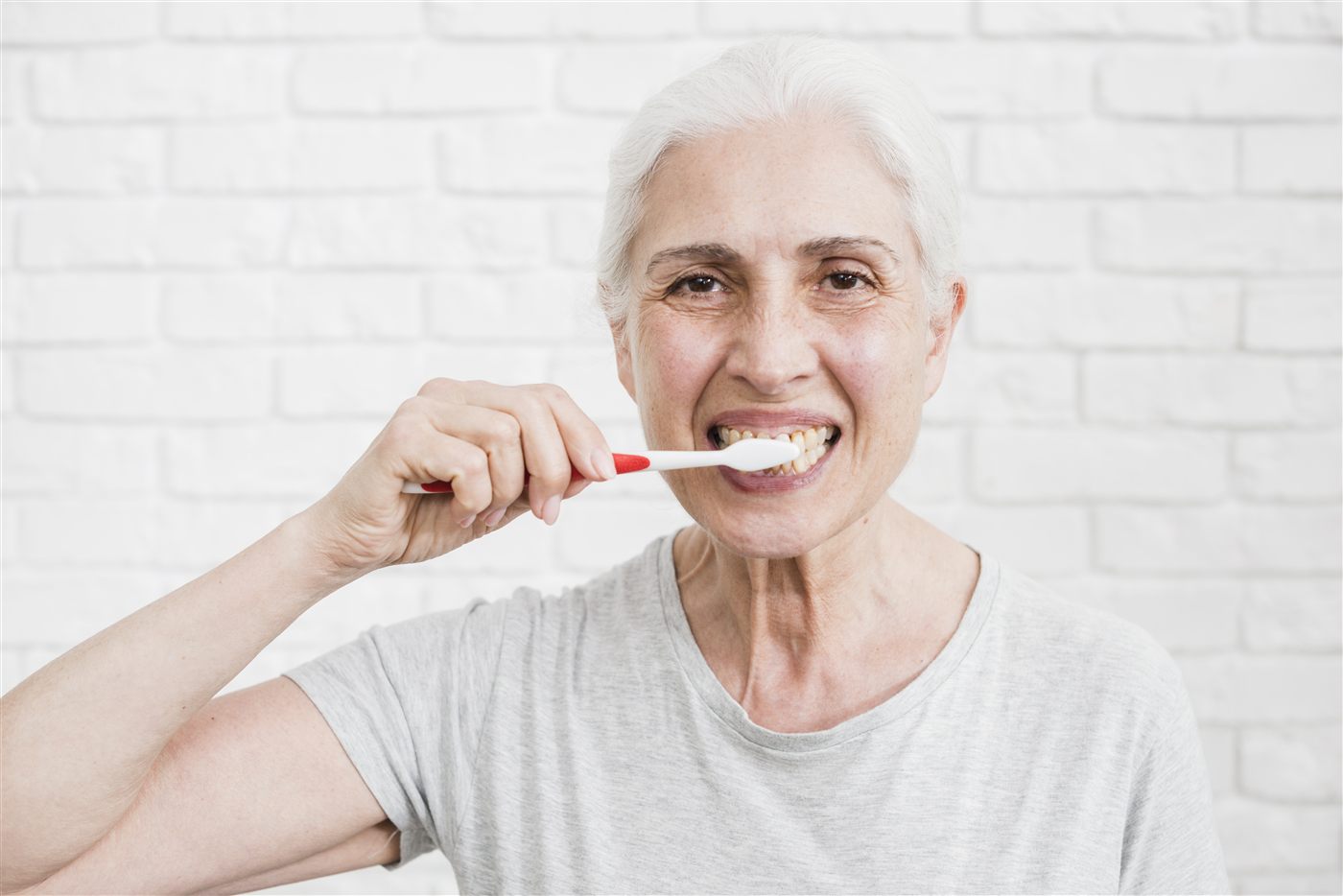
Losing teeth is not an inevitable part of getting older. Teeth are lost to decay and gum disease, not to age itself, and both are largely preventable. With the right daily routine, regular check-ups and a little help treating problems early, most older adults in Wimbledon can keep many, or even all, of their natural teeth for life. Here are the practical steps that make the biggest difference.
Why keeping your own teeth matters
Your natural teeth are still the best teeth you can have. They let you eat a varied diet, speak clearly and smile with confidence, and they help keep your jawbone healthy. Holding on to them also avoids the cost and adjustment that come with dentures or replacements later on. The encouraging news is that staying dentate well into later life is increasingly normal, and it comes down to a handful of habits you can start today.
Get the daily basics right
Good cleaning at home is the foundation. The NHS advises brushing twice a day with a fluoride toothpaste, including last thing at night, and cleaning between the teeth daily. A few small adjustments make this easier as we get older:
- Use a fluoride toothpaste and don't rinse straight after brushing, spit, don't rinse, so the fluoride keeps working.
- Clean between your teeth daily with interdental brushes or floss; gum recession in later life leaves more surface to keep clean.
- Switch to an electric toothbrush if arthritis or a weaker grip makes a manual brush awkward, the larger handle and timer help.
- Look after dentures and bridges too, cleaning them daily and removing dentures overnight where advised.
Habits that protect your teeth
Small, consistent habits do the heavy lifting. This is what each one does for you:
| Habit | Why it helps |
|---|---|
| Brush twice daily with fluoride toothpaste | Strengthens enamel and prevents decay at the gum line and exposed roots |
| Clean between teeth every day | Removes plaque where brushing can't reach, protecting gums and roots |
| Keep regular check-ups | Lets us catch decay, cracks and gum disease before a tooth is at risk |
| See the hygienist regularly | Removes hardened tartar that fuels gum disease and bone loss |
| Cut down on sugary snacks and drinks | Reduces the acid attacks that cause decay, especially with frequent grazing |
| Stay hydrated and manage dry mouth | Saliva protects teeth; replacing it lowers decay and gum risk |
| Stop smoking | Smoking is a major cause of gum disease and tooth loss |
Don't skip your check-ups
Regular visits are how problems get caught while they are still small and easy to fix. The NHS sets check-up intervals by individual risk rather than a fixed timetable, anywhere between 3 and 24 months. Many older adults sit at the more frequent end, particularly if they take medicines that dry the mouth or have a history of gum disease.
| Risk level | Typical interval |
|---|---|
| Higher risk (active decay, gum disease, dry mouth) | 3–6 months |
| Moderate risk | 6–12 months |
| Lower risk, stable mouth | up to 24 months |
Your dentist agrees the right interval with you. Pairing check-ups with a hygienist visit, standard cleans are £90, or £120 for premium Airflow, keeps gums healthy and removes the hardened tartar a toothbrush can't shift. Routine care sits within our general dentistry. Contact us for current new-patient exam fees.
Wimbledon's hard water means more staining and tartar build-up. The chalky water across SW19 and Merton leaves teeth more prone to surface stains and mineral deposits, one reason regular hygienist appointments are so worthwhile here. If you enjoy your morning coffee on the Village High Street or a glass of red after a walk on the Common, a professional clean keeps both your smile and your gums in good shape.
Treat small problems early
The difference between keeping a tooth and losing it is often timing. A weakened or cracked tooth caught early can usually be saved; left too long, it may need to be removed. Two treatments do most of the work here:
- Crowns rebuild and protect a tooth that is heavily filled, cracked or worn, so it can keep doing its job. Our crowns and bridges start from £880.
- Root canal treatment saves a tooth whose nerve has become infected, instead of taking it out. Root canal treatment starts from £395, and is typically finished with a crown to protect the tooth.
The earlier you act on a twinge, sensitivity or a rough edge, the more options there are to keep the tooth. If something flares up suddenly, our emergency dentist can see you quickly.
Protect your natural teeth in Wimbledon Village
Preventive check-ups and tooth-saving treatment with Dr Max Rahman and the restorative team at The Dental Lounges Wimbledon.
Book an appointment Explore general dentistryWatch your diet and manage dry mouth
What and how often you eat matters as much as what you brush. It's the frequency of sugar that drives decay, so frequent sweet snacks, sugary tea and acidic drinks throughout the day give teeth little chance to recover. Keeping sugar to mealtimes, choosing water between meals and being mindful of acidic foods all help protect enamel and exposed roots.
Dry mouth is common in later life, but it's usually a side effect of medicines rather than ageing itself. Less saliva means less natural protection, so teeth become more prone to decay. If your mouth often feels dry, sip water regularly, try sugar-free gum to stimulate saliva, and ask us about saliva substitutes. Do mention any medicines you take, as the NHS notes that several can reduce saliva flow.
Look after your gums
Gum disease, not decay, is the leading cause of tooth loss in older adults, and in its early stages it's often painless. Bleeding gums when you brush, persistent bad breath or gums that look like they're shrinking back are all worth reporting. Daily cleaning between the teeth and regular hygienist visits keep gum disease in check and protect the bone that holds your teeth in place.
Put these habits together, clean well, visit regularly, eat sensibly and act early, and there's every reason to expect your own teeth to last. Our friendly team in Wimbledon Village is here to help you keep them.
Frequently asked questions
Yes, with good daily cleaning, regular check-ups and treating problems early, most people can keep many or all of their natural teeth well into later life. Teeth aren't lost simply because of age; they're usually lost to decay and gum disease, both of which are largely preventable.
The NHS recommends a check-up interval set by your dentist between 3 and 24 months, based on your individual risk. Many older adults benefit from check-ups every 6 months, plus regular hygienist visits, so decay, gum disease or a cracked tooth can be caught before a tooth is lost.
Dry mouth in older adults is often a side effect of medicines rather than ageing itself. Reduced saliva raises the risk of decay and gum problems, so it's worth mentioning to us, we can suggest sips of water, sugar-free gum, saliva products and tailored hygiene advice to protect your teeth.