By Dr Elizabeth Crake
Something has quietly shifted in how Wimbledon thinks about the dentist. Where a check-up was once a thing you booked only when something hurt, more and more local residents now treat their oral health the way they treat a pension or a well-serviced car, as a long-term investment that costs a little now to save a great deal later. Memberships, hygiene plans and early treatment are no longer seen as extras; they're seen as sensible money management. Here's why that mindset is taking hold, and what the numbers actually look like.
From reactive to proactive: the mindset shift
For decades, dentistry was reactive. You waited for a twinge, a chip or a sensitivity to cold, then dealt with it, usually at the worst possible moment and the highest possible cost. The newer, more financially literate approach flips that on its head. Instead of paying to fix problems, you pay a smaller, predictable amount to prevent them from forming in the first place.
It's the same logic Wimbledon households apply elsewhere: regular servicing is cheaper than an emergency breakdown. Teeth are no different. A small filling caught early is straightforward; the same tooth left for two years can need a root canal and a crown. Routine general dentistry is simply the lowest-cost, highest-return moment in the whole cycle.
What "investing in prevention" actually means
Prevention isn't one thing, it's a small bundle of habits and appointments that compound over time. For most of our patients it looks like this:
- Regular examinations, a proper clinical check every six to twelve months to catch decay, gum changes and worn restorations early
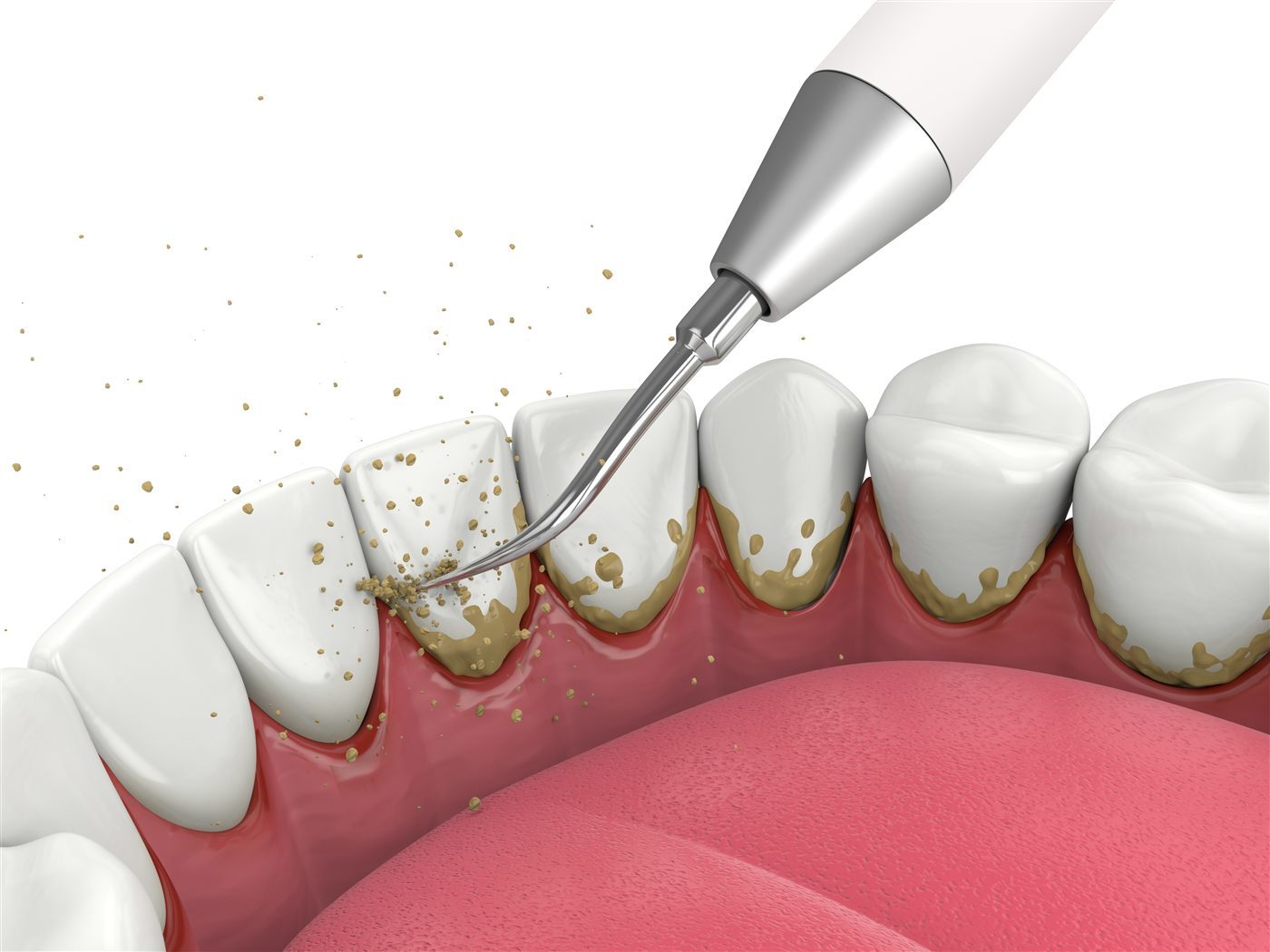
- Professional hygiene visits, removing the hardened tartar and stain your toothbrush physically cannot reach
- A membership or plan, spreading the cost into a fixed monthly fee so essential care is budgeted for and never skipped
- Early, minimal treatment, acting on a small problem now rather than a big one later
- Good home routines, twice-daily brushing with fluoride toothpaste and cleaning between the teeth, as the NHS advises
Done together, these turn dental care from an unpredictable series of bills into a steady, manageable line in the family budget.
The numbers: prevention spend vs reactive treatment
This is where the investment case becomes concrete. The cost of staying on top of prevention is modest and predictable; the cost of letting problems develop is not. The table below uses our own published, transparent Wimbledon prices so you can see the gap for yourself.
| If you invest in prevention | Price | If a problem is left to develop | Price |
|---|---|---|---|
| New patient examination (inc. X-rays & oral cancer screening) | Contact us for current fees | Composite (tooth-coloured) filling | £150–£350 |
| Regular check-up | £80 | Root canal (front tooth to molar) | from £395 |
| Standard hygiene clean | £90 | Crown after root canal | from £880 |
| Exam plus hygiene package | £175 | Tooth + restoration left to fail | often £1,000+ |
| Denplan membership (2 exams + 2 hygienes a year) | from £17.41/mo | Reactive care has no fixed ceiling | variable |
Looked at over a year, a Denplan plan at £17.41 a month works out at roughly £209, covering two examinations and two professional cleans. A single avoided root canal and crown can cost well over £1,200. The return on investment isn't theoretical; it's the difference between a planned £209 and an unplanned four-figure bill. Prices are confirmed in writing at your appointment.
Wimbledon sits in one of London's hardest-water areas. The high mineral content means plaque mineralises into tartar faster than in soft-water regions, and tartar can only be removed professionally, not at home. Add in Wimbledon Village's coffee, wine and tea culture, and stain and gum-line build-up accumulate quicker than national guidance assumes. For local residents, six-monthly hygiene visits aren't a luxury; they're the maintenance that keeps the bigger bills away.
Why memberships make prevention stick
The biggest enemy of prevention isn't cost, it's drift. Life gets busy, the diary fills up, and a check-up quietly slides from "this month" to "sometime next year". By then a small issue has had time to grow. This is exactly why so many residents have moved onto a membership plan.
A plan like Denplan turns prevention into a habit by building it into your standing orders. Because two examinations and two hygiene visits are already paid for, you're far more likely to actually attend them. The monthly fee also smooths the cost into something predictable, which suits households budgeting around a Wimbledon mortgage or school fees. In practice, the people on plans are the people who stay consistent, and consistency is what makes prevention pay.
Make prevention part of your budget
Dr Elizabeth Crake and the team at The Dental Lounges Wimbledon can set you up with a check-up, a hygiene visit or a membership plan that fits your life. Honest advice, transparent pricing, no pressure.
Book an appointment Explore general dentistryThe returns that don't show up on an invoice
The financial case is the easiest to put on a table, but for many residents it isn't the whole story. Prevention also buys things that are harder to price:
- Keeping your own teeth. Natural teeth, well maintained, can last a lifetime, and nothing replaces them quite as well as keeping them.
- Avoiding pain and emergencies. Toothache has a habit of arriving the night before a holiday or a big day. Prevention sharply reduces the odds.
- Time. A routine check-up is quick; a course of restorative treatment means multiple appointments and time away from work.
- Early detection of serious conditions. Every examination includes a check of the soft tissues, because the mouth can show the first signs of problems that matter well beyond the teeth.
Catching things early is the principle the whole profession is built on, and one the Oral Health Foundation consistently champions for both health and value.
Is it the right investment for you?
Prevention is rarely wasted money, but the right structure varies. Someone with a healthy, low-risk mouth may simply want a six-monthly check-up and an annual hygiene visit; a coffee-loving professional in hard-water SW19 may benefit from more frequent hygiene; a family will often find a plan the simplest way to keep everyone on track. The best first step is an honest conversation about your own risk, which is exactly what a check-up at our Wimbledon Village practice is for.
Whatever you decide, the underlying truth holds: in dentistry, the cheapest pound you'll ever spend is the one you spend early.
Frequently asked questions
For most people, yes. The NHS and Oral Health Foundation both stress that catching problems early is far cheaper and less invasive than treating them later. A £90 hygiene visit or an £80 returning-patient check-up is a fraction of the cost of a £150–£350 filling, a root canal from £395, or a crown from £880, and prevention also avoids pain, time off work and the loss of natural teeth.
A dental membership plan spreads the cost of routine care into a fixed monthly fee. At our Wimbledon practice, Denplan from £17.41 a month includes two examinations and two hygiene visits a year, so your essential preventive care is budgeted for and never skipped. Many residents find a plan makes it easier to stay consistent rather than paying per visit.
Most adults are advised to have a check-up roughly every six months, though the NHS notes some low-risk patients can safely extend the interval to up to 24 months on a dentist's advice. Many Wimbledon residents pair check-ups with six-monthly hygiene visits, which matters more here because the hard water in the area encourages tartar to form faster.