By Dr Elizabeth Crake
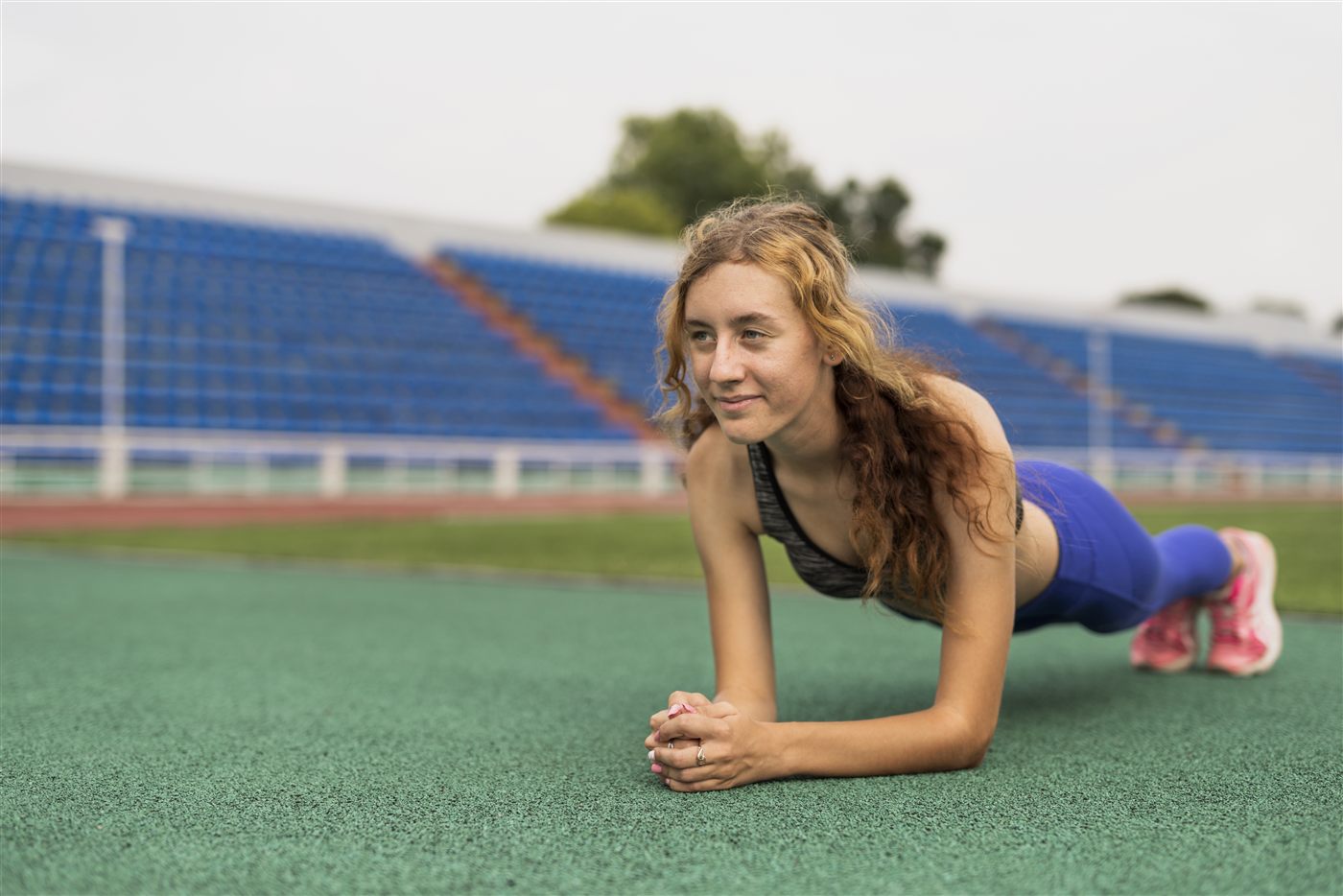
July in SW19 has a particular energy. The Championships are in full swing on Church Road, the school holidays are about to begin, and Wimbledon Common is humming with runners, cyclists, dog walkers and fitness groups making the most of the long evenings. From the Windmill Loop to the bridleways that curl down towards Cannizaro Park, it is genuinely one of the best places in London to stay active through summer. What many people do not realise, however, is that the habits that go hand-in-hand with outdoor sport, sipping energy drinks, breathing hard through the mouth, training in the heat, can quietly take a toll on your teeth. As a dentist based on the High Street here in Wimbledon Village, I see the results of this every summer. The good news is that most of it is entirely preventable.
Dehydration and dry mouth: the hidden threat to your enamel
Saliva is your mouth's first line of defence. It neutralises acids, washes away food particles, and delivers minerals that help remineralise enamel after it comes under attack. When you exercise, especially in warm July conditions, your body diverts fluid away from saliva production. The result is a drier oral environment, and a drier mouth is a more acidic one.
Even a moderate run around the Common on a warm afternoon can reduce salivary flow enough to leave your enamel temporarily more vulnerable. For most people this is not a problem if hydration is managed well. The issue arises when the drinks chosen to replace lost fluid are themselves acidic or sugary, which brings us to the single biggest culprit.
Sports drinks are far more damaging to teeth than most people realise. Isotonic drinks such as Lucozade Sport and Powerade have a pH of around 3.5, roughly as acidic as orange juice, and they often contain significant quantities of sugar on top. Sipping them repeatedly throughout a workout means your enamel is under sustained acid attack for the entire session. According to the Oral Health Foundation, the erosive potential of sports drinks is one of the most underappreciated causes of enamel loss in otherwise healthy adults.
What to drink, and what to avoid, during summer training
The simplest swap you can make is to replace sports drinks with plain water for the vast majority of your training. For most recreational exercisers, a 5k on the Common, a spin class, a cycle into Wimbledon Park, water is all you need. Electrolyte tablets dissolved in water (rather than pre-made sports drinks) tend to be lower in sugar and acid, and are a reasonable choice for longer efforts in the heat.
- Plain water, the best option for most training sessions; pH-neutral and saliva-friendly
- Electrolyte tablets in water, a better alternative to ready-made sports drinks for sessions over 60–90 minutes
- Coconut water, lower in added sugar than isotonic drinks, though still mildly acidic; fine occasionally
- Avoid, flavoured sports drinks, energy drinks, fizzy water with citrus, and acidic fruit juices during or immediately after exercise
If you do use an energy gel or chew during a long run, rinse your mouth with plain water immediately afterwards rather than leaving the sugary residue on your teeth. And resist the urge to brush straight away, wait at least 30 minutes after any acid exposure so that saliva has had time to neutralise the environment first. Brushing too soon after an acid challenge can physically abrade already-softened enamel.
Mouth breathing, enamel erosion and the summer sports connection
Heavy exercise almost inevitably means breathing through the mouth. This is entirely normal and nothing to worry about from a general health perspective, but it does compound the dry mouth effect described above. Sustained mouth breathing dries out the gums and palate, reduces saliva flow further, and can leave teeth slightly more sensitive for a period after exercise.
For those who struggle with dry mouth beyond exercise, whether due to medication, hay fever (very common in July when pollen counts in SW19 are high), or other factors, the cumulative effect on enamel can be more pronounced. If you have noticed increased sensitivity or chalkiness on your teeth through the summer months, it is worth mentioning this at your next General Dentistry appointment so we can assess enamel condition and advise accordingly.
The NHS guidance on oral health recommends fluoride toothpaste twice daily as a baseline, and for those with erosion concerns, a higher-fluoride prescription toothpaste (available via your dentist) can provide an additional layer of protection through active sporting seasons.
Protecting your teeth from physical impact during sport
Wimbledon Common is not just for gentle jogging. The mountain bike trails, the horse-riding routes, and the rougher ground near Caesar's Camp attract people doing activities with a genuine fall risk. If you cycle on the trails rather than the paths, play cricket or football on the pitches at Wimbledon Park, or take part in any contact sport through the summer season, your teeth are at real risk from impact.
A single fall from a bike or a stray elbow in a five-a-side match can chip, crack, or knock out a tooth entirely, and dental trauma is painful, expensive, and often structurally complex to repair. If you play sport where this risk is present, a custom-fitted sports mouthguard is a straightforward investment. As we discuss in our article on why active residents need a custom sports mouthguard, the difference between a custom appliance and a boil-and-bite version from a sports shop is significant, in both fit and protective quality.
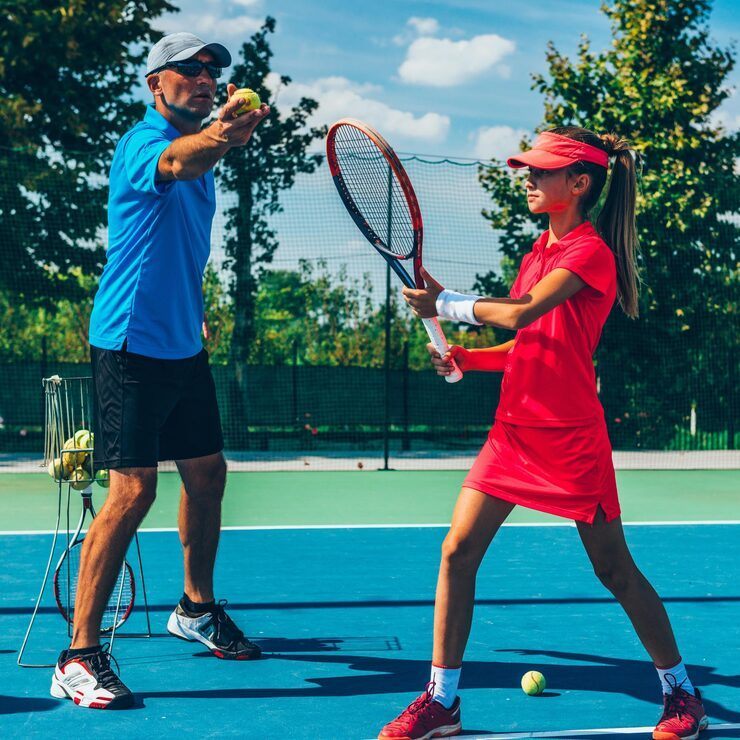
Championship season also draws a huge number of tennis players and enthusiasts to the courts across SW19. If you are playing more tennis than usual this July, at the Wimbledon Park courts, at the All England Club's public facilities, or at any of the local clubs, racket, ball, and net-post impacts are all potential sources of dental trauma. Our piece on oral health tips for tennis players and sports fans covers the specific risks and how to minimise them.
Practical summer dental habits for active SW19 residents
Putting it all together, here is a straightforward set of habits that will protect your smile through a busy summer of sport on the Common and beyond:
- Hydrate with water before, during and after training, aim to arrive at any session already well-hydrated so you are not tempted to reach for a sports drink early on
- Rinse after gels or sports drinks, a swig of plain water immediately after any acidic or sugary product flushes it away before it can do sustained damage
- Wait before brushing, at least 30 minutes after any acid or sugar exposure before you pick up the toothbrush
- Use fluoride toothpaste, twice daily, last thing at night and one other time; do not rinse after brushing so the fluoride can act
- Consider a mouthguard if your sport carries a fall or collision risk
- Keep your summer dental check-up, many people skip their appointment in July because of holidays and Championships-related busyness; try not to let it slip beyond six months
The connection between sport, lifestyle, and oral health is something we explore in more depth in our article on how local sports can affect your dental health, worth a read if you are a regular on the Common or at one of Wimbledon's many sports clubs.
Book your summer dental check-up in Wimbledon Village
Whether you are training for a summer race, enjoying the Championship energy around SW19, or simply due a routine appointment, our team on the High Street can assess your enamel, clean your teeth thoroughly, and make sure your smile is in the best possible shape for the season.
Book an appointment Call 020 3034 4044Frequently asked questions
Exercise itself does not cause tooth decay, but the habits that often accompany it can. Dehydration reduces saliva flow, leaving enamel more vulnerable to acid attack. Sports drinks and energy gels are highly acidic and sugary, dramatically raising decay risk if consumed regularly. Breathing heavily through the mouth during sustained effort also dries the oral environment. Swapping sports drinks for water and rinsing after sugary gels removes most of this risk.
Wait at least 30–60 minutes after consuming anything acidic (including sports drinks or citrus water) before brushing. Brushing too soon after an acid challenge softens and abrades enamel rather than protecting it. Rinsing with plain water immediately after exercise is a better first step; brushing can follow once saliva has had time to neutralise the oral pH.
A mouthguard is not essential for low-contact activities like running or road cycling. That said, if you mountain bike on the Common's trails, play contact sport in Wimbledon Park or on the Village pitches, or take part in anything where a fall or collision is realistic, a custom-fitted sports mouthguard provides meaningful protection. Custom mouthguards from a dentist fit far more securely than boil-and-bite alternatives and do not interfere with breathing.