 By Dr Viktorija Bird
For many people in their late teens and early twenties, wisdom teeth are the first real dental drama they encounter as adults. A dull ache at the back of the jaw during exam season, a swollen gum that makes biting uncomfortable, or a strange new pressure that comes and goes, these are some of the most common reasons young adults get in touch with our Wimbledon practice. Here we explain why wisdom teeth cause so much trouble at this age, the warning signs worth knowing, and what your options are.
What are wisdom teeth and why do they cause problems?
Wisdom teeth, or third molars, are the last teeth to develop. Most people have four, one in each back corner of the mouth, although some have fewer, and a few have none at all. According to the NHS, they usually come through between the ages of 17 and 25, which is exactly why problems cluster in young adulthood.
The difficulty is space. Modern jaws are often simply too small to accommodate an extra set of large molars, so wisdom teeth frequently lack room to emerge cleanly. When that happens they can become impacted, stuck against the tooth in front, or trapped beneath the gum at an awkward angle. A partly erupted wisdom tooth leaves a flap of gum over which food and bacteria collect, and that is a common trigger for infection and pain.
The most common wisdom teeth problems
Not every wisdom tooth misbehaves, but when they do, the issues we see most often are:
- Pericoronitis, inflammation and infection of the gum flap over a partly erupted tooth, causing soreness, swelling and sometimes a bad taste.
- Impaction, a tooth wedged against its neighbour, which can ache or feel like persistent pressure.
- Tooth decay, wisdom teeth sit far back and are hard to clean, so they and the tooth next door are prone to cavities.
- Gum disease, the difficult-to-reach area around a wisdom tooth traps plaque and can inflame the surrounding gum.
- Crowding concerns, many young adults worry wisdom teeth will push their other teeth out of line. The evidence here is mixed, but if you have had orthodontics, it is worth discussing.
Warning signs to look out for
It helps to know what is normal and what is not. A tooth coming through can feel tender for a few days. The symptoms below, however, are worth getting checked:
- Throbbing or persistent pain at the very back of the jaw
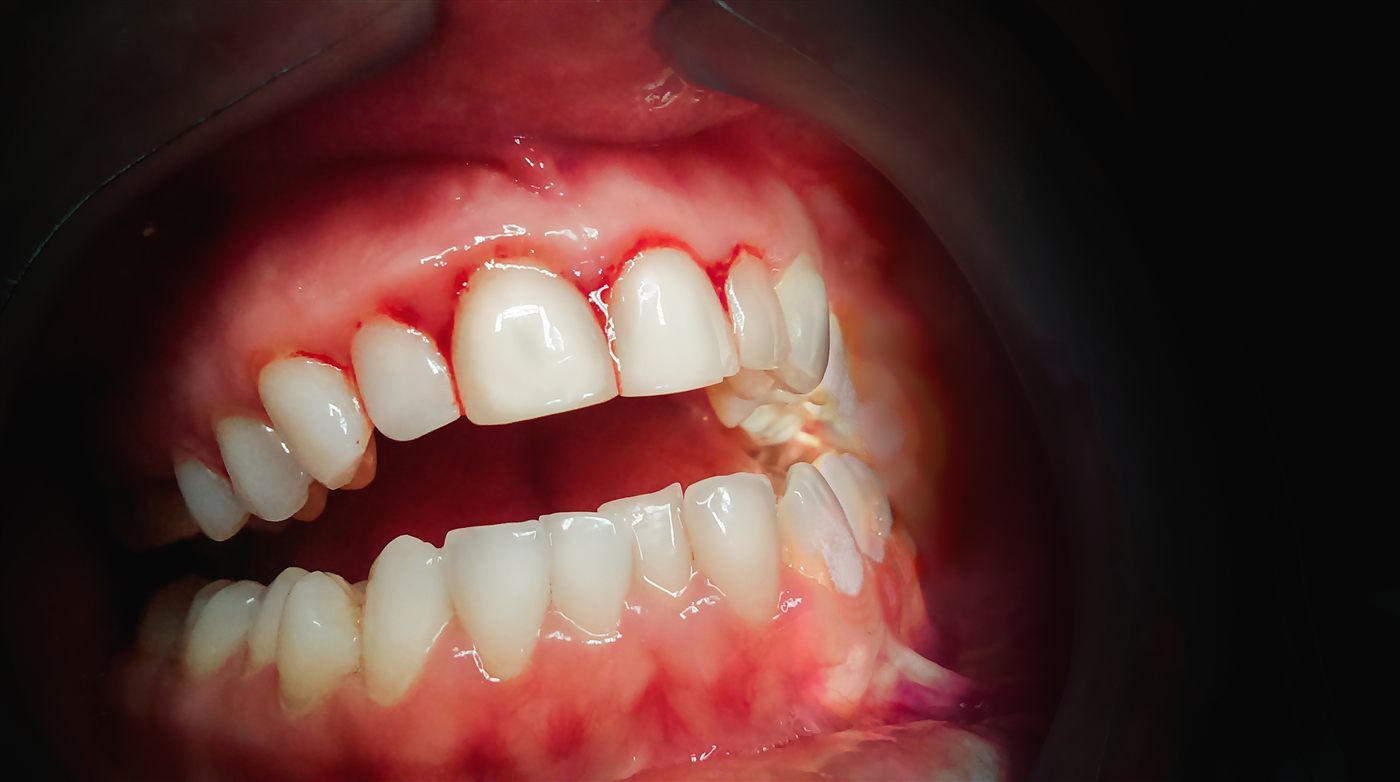
- Red, swollen or bleeding gum behind your last molar
- Pain on biting, or a jaw that feels stiff
- A bad taste, bad breath, or pus around the area
- Swelling of the cheek or face, fever, or difficulty swallowing, these need urgent dental attention
Wisdom tooth pain has a habit of flaring at the worst possible moment. We see a clear pattern around exam periods and the run-up to the Championships, when students at nearby universities and young professionals commuting from Wimbledon station are under stress and short on sleep. If you live, study or work in SW19, our High Street location in Wimbledon Village means you can pop in before or after a busy day rather than letting a niggle become an emergency.
Do wisdom teeth always need to be removed?
This is the question we are asked most, and the answer is reassuring: no. Guidance from NICE and the NHS is clear that healthy wisdom teeth causing no problems should usually be left alone. Removal is recommended when there is a genuine clinical reason, repeated infection, decay that cannot be restored, cysts, or damage to the neighbouring tooth.
When you visit us, an assessment typically includes an examination and an X-ray to see the position of the roots and how close they sit to the nerve. From there we can talk you through whether watchful monitoring, a deep clean, a filling or removal is the most sensible path. Straightforward extractions can be carried out at the practice; more complex impactions may be referred to an oral surgeon. If a damaged neighbouring tooth needs saving, treatments such as root canal therapy may be discussed, and if crowding is your concern, Invisalign treatment can address alignment separately.
| Appointment or treatment | Price |
|---|---|
| New patient examination (inc. 2 X-rays & oral cancer screening) | Contact us for current fees |
| Regular patient check-up (X-rays extra) | £80 |
| Small X-ray (each) | £14 |
| New patient emergency appointment | £150 |
| Simple extraction | from £150 |
| Composite filling (tooth-coloured) | £150–£350 |
| Root canal treatment | from £395 |
Prices are confirmed at your appointment, and any further treatment is always quoted before it is carried out. NHS dental treatment is also available to many young adults, and students may be entitled to help with costs, see the NHS help with dental costs guidance.
Worried about a wisdom tooth? Get it checked in Wimbledon Village
Our team at The Dental Lounges Wimbledon, led by Dr Viktorija Bird, can assess the cause of your pain and explain your options clearly, no pressure, no surprises.
Book an appointment Emergency dental careLooking after wisdom teeth at home
Whether or not your wisdom teeth eventually need removing, good habits protect them and the teeth around them. The NHS recommends brushing for two minutes twice a day with a fluoride toothpaste, and cleaning between your teeth daily. Pay particular attention to that hard-to-reach back corner, angling the brush and using interdental brushes can make a real difference.
Easing discomfort before your appointment
If a wisdom tooth flares up, over-the-counter painkillers such as paracetamol or ibuprofen used as directed can help, and a gentle rinse with warm salty water may soothe an inflamed gum flap. These are short-term measures only. If you have facial swelling, fever or trouble swallowing, treat it as urgent. A regular hygienist visit also keeps the area clean and lets us monitor things before they escalate. You can always contact our friendly team for advice, and you'll find more about our wider general dentistry services on our site or the homepage.