By Dr Elizabeth Crake
August in Wimbledon has a particular rhythm. The Championships crowds have departed, the school holidays are in full swing, and the long evenings that stretch out over Wimbledon Common make it hard not to fire up a barbecue. Whether you are hosting neighbours in a Wimbledon Park garden, joining a big family gathering on Cannizaro Park's grass verge, or simply grilling in the back yard after a walk across the Common, summer in SW19 is inseparable from outdoor eating. And outdoor eating, as any dentist will quietly note, can be a rather testing time for your teeth.
This is not a guide designed to make you put down your tongs and eat a salad. It is a practical, honest look at which summer foods and drinks are harder on your enamel, what you can do to offset the damage without sacrificing the enjoyment, and when it makes sense to pop in for a check-up before autumn sets in.
The hidden dental risks in a classic BBQ spread
A barbecue looks innocent enough, after all, grilled meat and vegetables are genuinely healthy foods. The problem lies in what surrounds them. The Oral Health Foundation identifies sugar and dietary acid as the two primary dietary drivers of tooth decay and enamel erosion, and a typical summer barbecue menu has both in abundance.
Here are the main culprits to be aware of:
- BBQ sauces and ketchup, thick, sweet, and acidic. A single tablespoon of many shop-bought BBQ sauces contains as much as two teaspoons of sugar. They also coat every surface they touch, sitting on enamel long after the meal is over.
- Sweet marinades, honey, brown sugar, teriyaki and hoisin-based marinades caramelise beautifully on the grill but leave a sticky, sugary residue on the teeth.
- Fizzy drinks and cordials, the most damaging category. Cola and lemonade combine high sugar content with significant acidity (pH often below 3). Sipping them slowly over the course of an afternoon is far worse for enamel than drinking a glass in one go.
- Fruit-based desserts, summer pudding, strawberry pavlova, fruit kebabs. Natural fruit sugars and fruit acids (citric, malic) are gentler than refined sugar but still have an erosive effect, particularly if eaten frequently throughout the day. If you have read our piece on strawberries and enamel during the Championships, the same principles apply here.
- Corn on the cob, not sugary in a damaging sense, but notorious for lodging between teeth and at the gumline. If you are prone to gum sensitivity, this is one to follow with a good rinse.
What your teeth actually want at a summer BBQ
The good news is that a typical barbecue spread also contains some genuinely tooth-friendly options, you just need to know which ones to prioritise (or at least balance things out with).
- Plain grilled protein, chicken, lamb, fish and lean beef are low in sugar and require sustained chewing, which stimulates saliva. Saliva is the mouth's natural defence system: it neutralises acid and helps remineralise enamel.
- Hard cheese, halloumi on the grill is a SW19 BBQ staple, and it is excellent for teeth. Cheese raises the pH in the mouth (making it less acidic) and provides calcium and phosphate, which help strengthen enamel. Our article on the best foods for healthy teeth covers this in more detail.
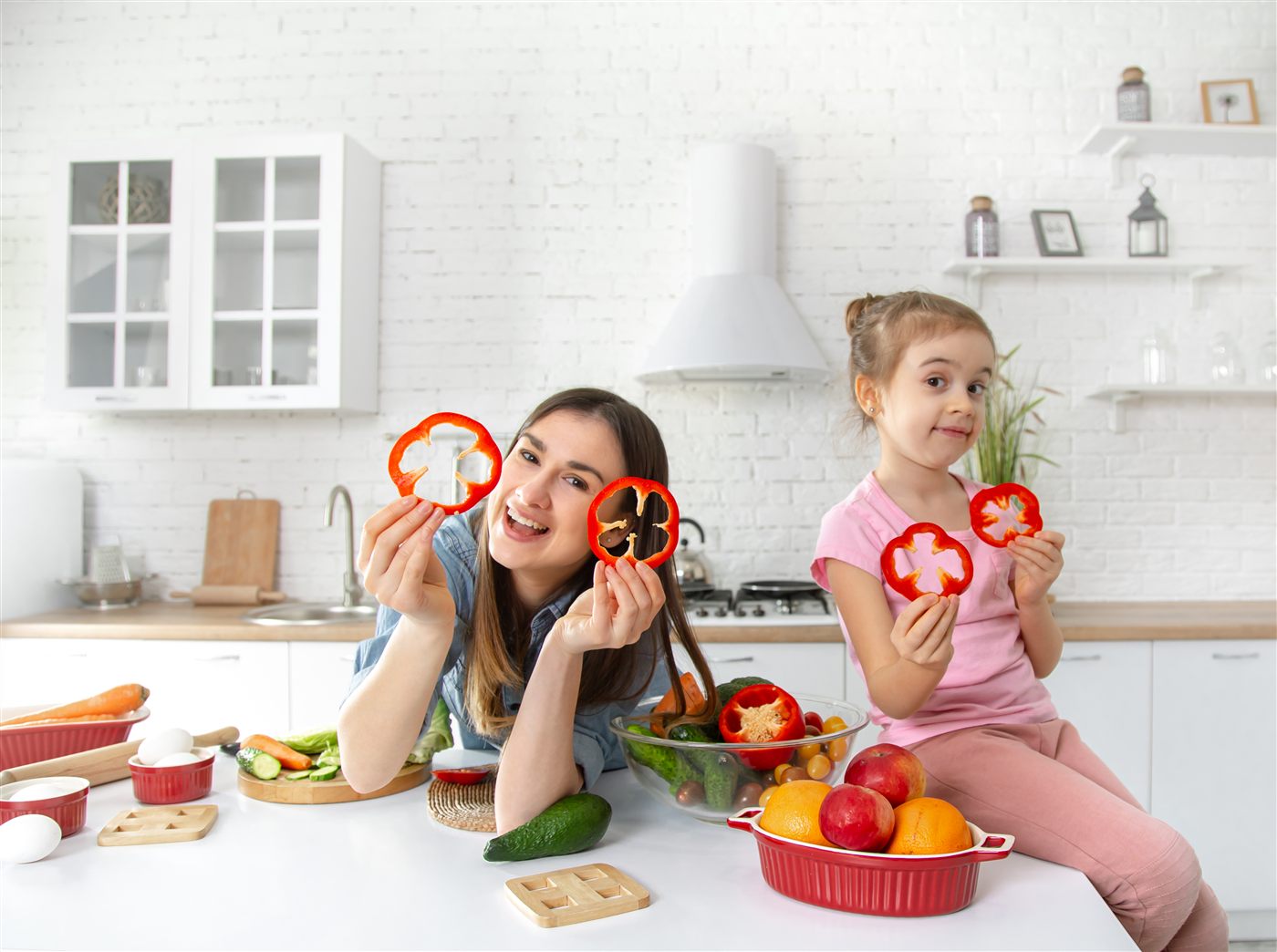
- Crunchy vegetables, celery, carrot sticks, cucumber and peppers act almost like a gentle scrub on tooth surfaces and stimulate saliva flow. Keep a crudité platter on the table as something to graze on throughout the afternoon.
- Still water, the single most helpful thing you can drink at a barbecue. It rinses away sugars and acids, keeps the mouth hydrated, and has a pH of 7 (completely neutral). Sparkling water is slightly acidic but vastly better than any soft drink.
- Milk, if you have young children at the barbecue, milk is genuinely protective for their teeth. It contains casein, which helps neutralise acids, plus calcium for growing enamel.
If you want a deeper look at which nutrients actively build stronger enamel over time, our piece on healthy eating for strong teeth and gums lays it all out.
Practical habits that make a real difference
You do not need to redesign your entire BBQ menu. These small habits significantly reduce the dental impact of a summer of outdoor eating:
- Rinse with water after eating, a simple 20-second swish of plain water immediately after a sticky or sugary meal dislodges loose food particles and dilutes residual acid. It is particularly effective after ribs, sauced burgers or sweet marinades.
- Do not brush straight away, after acidic food or drink, enamel is temporarily softened. The NHS advises waiting at least 30 to 60 minutes before brushing to allow saliva to neutralise the acid and remineralise the enamel surface. Brushing too soon can abrade softened enamel.
- Drink through a straw, for fizzy drinks or cordials, a straw directs the liquid past the front teeth and reduces direct enamel contact. Not glamorous, but effective.
- Finish with cheese or water, ending your meal with a cube of hard cheese or a glass of still water is one of the easiest ways to reset your mouth's pH after a sugary pudding.
- Chew sugar-free gum afterwards, xylitol-based sugar-free gum stimulates saliva production, which helps neutralise acid. Keep some in your pocket for after the pudding course.
- Keep sugary drinks to mealtimes, the duration of acid exposure matters more than the total quantity. A cola drunk with your burger is far less damaging than one sipped slowly across three hours in the sun.
Children, summer holidays and snacking habits
August is school holidays, and for many SW19 families that means a significant loosening of the usual daily routine. Children who normally have structured mealtimes find themselves grazing on ice lollies, squash and biscuits throughout the afternoon. This pattern of frequent sugary snacking is, from a dental perspective, harder on enamel than the same amount of sugar eaten in one sitting, because it means teeth spend more of the day bathed in acid.
A few simple boundaries help enormously: designate set snack times rather than allowing all-day grazing, offer water or milk between meals rather than juice or squash, and keep fruit, however healthy, as part of a meal rather than a repeated between-meal snack. Tooth-brushing routines tend to slide in the holidays too. Two minutes, twice a day with a fluoride toothpaste is non-negotiable, even on the most chaotic August afternoon.
If your children are due for their routine check-up and you have been meaning to book, back-to-school September is the perfect time. It is worth sorting before the autumn term creates its own logistical pressures.
When to see us: the case for a September hygienist visit
A summer of barbecues, Pimm's at the tennis, ice cream on Wimbledon High Street and late-night rosé on the terrace is entirely compatible with good oral health, as long as you stay on top of your daily routine and book in when it matters. September is one of the most popular months for our patients to schedule a hygienist appointment, and for good reason.
Our Dental Hygienist at the practice offers professional cleaning that removes calculus (hardened plaque) from surfaces that daily brushing simply cannot reach. Over a summer of richer eating, plaque can mineralise into calculus relatively quickly, particularly along the gumline and between teeth. A professional clean in September clears that build-up, polishes away staining from sauces and red wine, and allows your hygienist to flag any early signs of acid erosion or gum inflammation before they develop into something that needs more involved treatment.
Think of it as the dental equivalent of a proper tidy after the summer is done.
Book a hygienist appointment this September
Give your teeth a fresh start after the summer. Our hygienist team is based at 92 High Street, Wimbledon Village, call us or use the form below to request a callback.
Book online Call 020 3034 4044Frequently asked questions
Yes, most shop-bought BBQ sauces and marinades are high in both sugar and acid. Sugar feeds the bacteria in dental plaque, which produce acids that erode enamel. Combined with the natural acidity in ketchup, vinegar-based sauces and fizzy drinks served alongside a barbecue, teeth can be exposed to a sustained acid attack throughout the meal. Rinsing with plain water after eating and waiting at least 30 minutes before brushing helps reduce the impact.
Plain still water is always the best choice for your teeth. Sparkling water is slightly acidic but far less damaging than fizzy soft drinks or fruit juices. Milk is tooth-friendly and contains calcium. If you enjoy alcohol at summer gatherings, wine and spirits are acidic, but beer is typically less so. Avoid sipping sugary drinks slowly over long periods, it is better for your teeth to have a drink in one sitting than to graze on it for hours.
For most adults, twice-yearly hygienist visits are a good baseline, but if you know you have consumed a lot of sugary or acidic food over the summer, booking a hygienist appointment in September is a practical step. A professional clean removes calculus (hardened plaque) that brushing alone cannot shift, and gives your hygienist the chance to spot early signs of acid erosion or decay before they become bigger problems.