 By Dr Max Rahman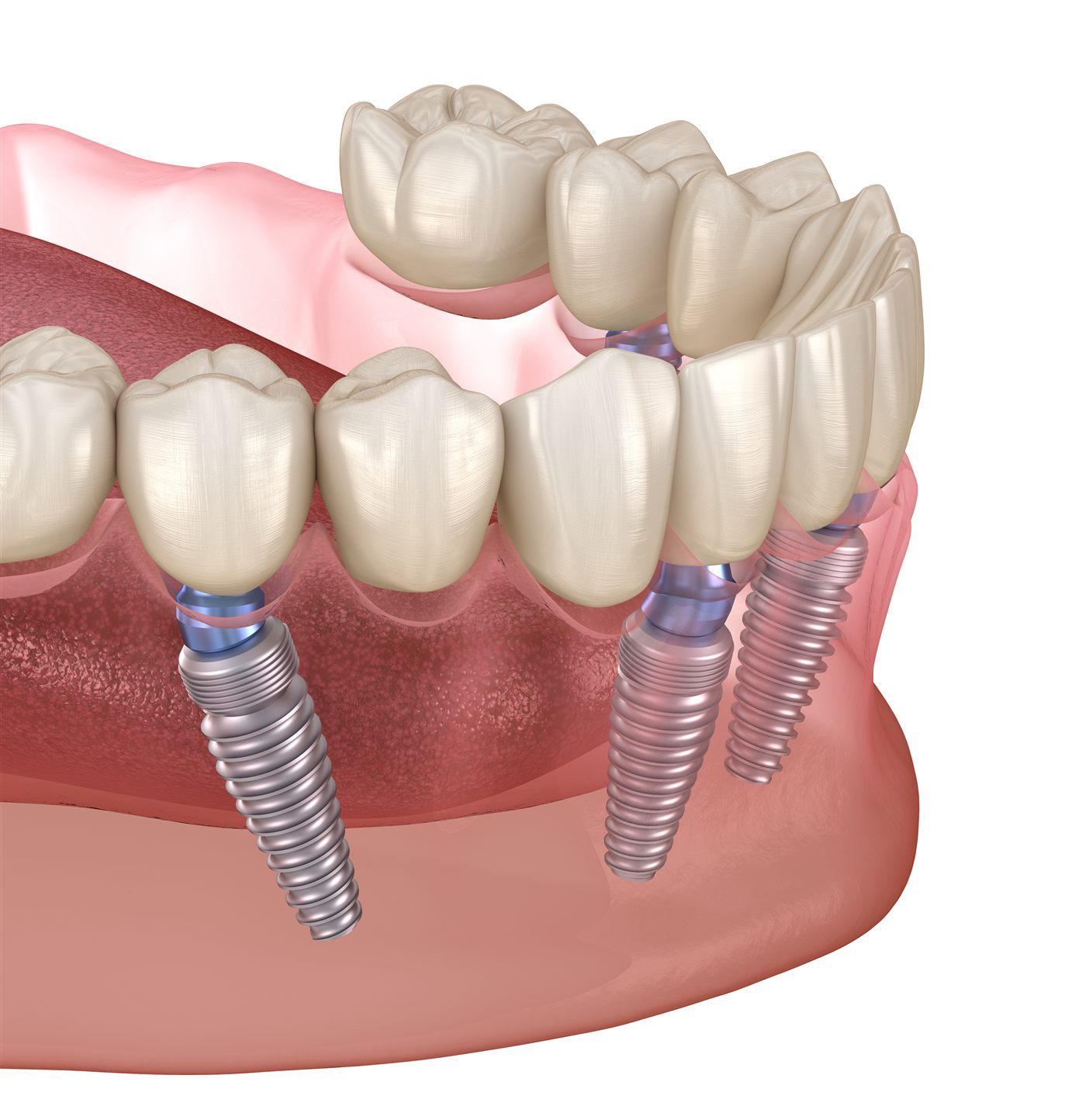
"Am I too old for dental implants?" is one of the questions we hear most often from older patients at our Wimbledon Village practice, and the answer is almost always reassuring. There is no upper age limit for implants. What matters is your general health and the quality of your jawbone, not the number on your birth certificate. Many of the implant patients we look after across SW19 are in their 60s, 70s and 80s, and they tell us the same thing: they wish they hadn't waited so long.
Is age really a barrier to implants?
In a word, no. A dental implant is a small titanium post placed into the jawbone to replace a missing tooth root, then topped with a crown, bridge or fixed denture. The body integrates with that post whether you are 45 or 85. What we assess at a free dental implant assessment is not your age but three practical things: the volume and density of bone available, your gum health, and your overall medical picture. For most healthy older adults, all three are perfectly workable.
In fact, retirement can be one of the best times to invest in your teeth, more time for appointments and healing, and a strong wish to keep eating, talking and laughing freely for years to come.
Bone health: the question that really matters
The single most important factor for older patients is the jawbone. When a tooth is lost, the bone that once held it begins to shrink, and years of wearing a removable denture can accelerate that loss, because dentures sit on the gum rather than stimulating the bone beneath. This is why some patients are told they "don't have enough bone" for implants.
The encouraging news is how much can be done about it. Where bone is limited we can rebuild it with a bone graft or, in the upper back jaw, a sinus lift, often at the same time as placing the implant. We plan all of this from a detailed 3D CBCT scan, so nothing is guesswork. Many people who were turned away elsewhere find there is a clear path forward once we have looked at the bone properly.
Wimbledon sits in a hard-water area, which speeds up plaque mineralisation around teeth and implants alike. For older patients, who may also be managing dry mouth from common medications, that makes a steady hygiene routine especially important. We build twice-yearly hygienist visits into every implant plan, and we keep appointments unhurried and within easy reach of the Village, the Common and the local buses.
What about general health and medications?
Most long-term conditions common in later life are not, by themselves, a barrier to implants, they simply need to be planned around. Well-controlled diabetes, blood-pressure medication and many other treatments are entirely compatible with implant surgery. A few things do need careful discussion, including certain bone-strengthening (bisphosphonate) medications, blood thinners, and smoking, which the NHS notes can affect how well an implant heals.
That's why we take a full medical history and, where helpful, liaise with your GP before any treatment. The goal is simple: a plan that fits your health, not a one-size-fits-all approach.
Implants versus dentures in later life
Plenty of older adults have managed with dentures for years, and for some they remain a sensible, affordable choice. But implants offer real advantages that matter a great deal day to day:
- They stay put. No slipping or clicking when you eat at a Village restaurant or chat with friends.
- Far more chewing power. You can enjoy a wider, healthier diet, including foods many denture wearers quietly give up.
- They protect the jawbone from the shrinkage that hollows the face over time.
- No adhesives or nightly soaking for fixed implant teeth, you care for them much like natural teeth.
- Confidence. The unconscious freedom to speak and smile without a second thought.
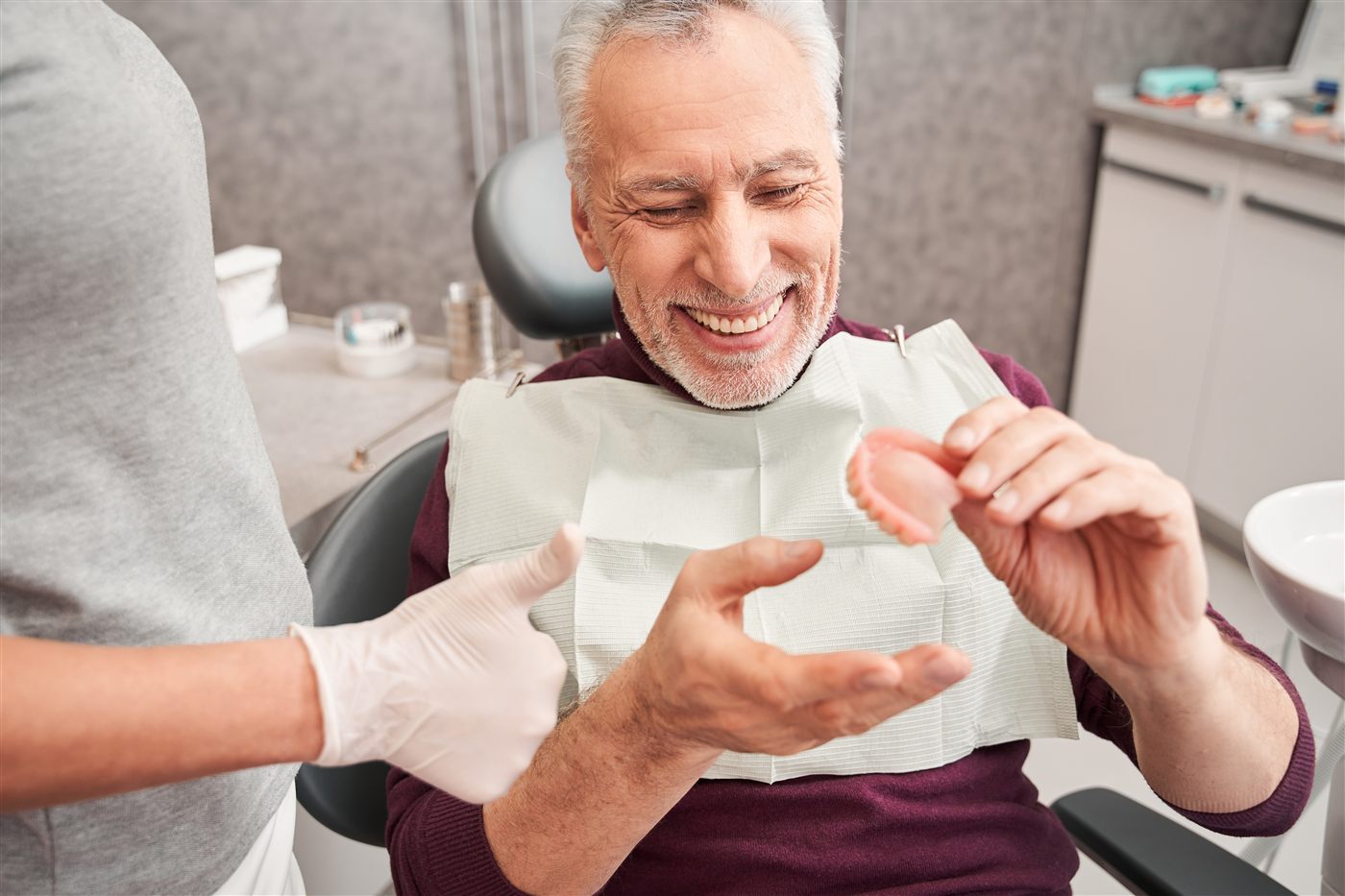
If you'd like to weigh the two side by side, our guide to dentures versus implants for seniors walks through it in more detail. A halfway option also exists: an implant-retained denture clips onto two to four implants, keeping a denture's lower cost but adding rock-solid stability.
Book a free implant assessment in Wimbledon Village
Dr Max Rahman and the implant team at The Dental Lounges Wimbledon offer unhurried, jargon-free assessments, including a 3D CBCT scan and a written plan with fixed costs.
Book an appointment Explore dental implantsAll-on-4 and Smile in a Day for multiple missing teeth
For older patients facing the loss of most or all of their teeth in an arch, or living with a full denture that has never felt quite right, Smile in a Day (All-on-4) can be genuinely life-changing. A complete arch of fixed teeth is supported on just four strategically placed implants, often with same-day temporary teeth fitted before you leave the practice. Because All-on-4 is designed to make the most of the bone you already have, it frequently suits patients who were told they had too little bone for conventional implants.
The final permanent bridge is fitted around six months later, once the implants have fully integrated. For many, it means the end of denture adhesives, the return of a proper bite, and the confidence to bite into an apple again, something most full-denture wearers can't do.
Real Wimbledon implant prices
We never hide our fees. Every price is confirmed in writing before treatment, and 0% finance is available over 6–60 months. Here are our real prices for the implant options older adults ask about most:
| Treatment | Price |
|---|---|
| Free implant assessment (inc. 3D CBCT scan) | FREE |
| Complete single-tooth replacement (implant + crown) | from £3,100 |
| Multiple implants (implant-supported bridge) | prices on request |
| Implant-retained denture (per arch) | prices on request |
| All-on-4 / Smile in a Day (per arch) | from £16,000 |
| All-on-4, both arches (full mouth) | prices on request |
| Bone graft (if needed) | from £850 |
| Sinus lift (if needed) | prices on request |
See the full breakdown on our dental implants and Smile in a Day pages, or read about routine care on our general & family dentistry page.
Looking after implants as you get older
Implants don't decay, but the gum and bone around them still need care, so good cleaning and regular check-ups matter just as much as for natural teeth. With twice-daily brushing, cleaning between the teeth and twice-yearly hygiene visits, implants can last twenty years or more, often a lifetime. Whenever you're ready, our friendly team in Wimbledon Village would be glad to talk it through with you.
Frequently asked questions
No, there is no upper age limit for implants. Suitability depends on your general health and the quality of your jawbone, not your age. Many of our Wimbledon implant patients are in their 60s, 70s and 80s. A 3D CBCT scan and a review of your medical history tell us whether implants are right for you.
Often, yes. Years of tooth loss or denture wear cause the jawbone to shrink, but modern bone grafting and sinus-lift techniques can rebuild lost bone before or during placement. All-on-4 is also designed to use the bone you have. Many patients told "no" elsewhere find a clear path forward after a CBCT scan with us.
For many older patients, yes. Implants are fixed, so they don't slip when eating or talking, they restore far more chewing power, and they help protect the jawbone from shrinking. They cost more upfront than dentures but often last far longer. The right choice still depends on your health, bone and budget, which we discuss at a free assessment.