By Dr Elizabeth Crake
Exam season piles on the pressure, late nights, endless revision, fizzy energy drinks and a constant background hum of anxiety. What many students and parents don't realise is that all that stress can show up in your mouth. From grinding your teeth in your sleep to recurring mouth ulcers and bleeding gums, the body's response to stress has a real effect on your oral health. The good news is that most of it is manageable, and a few simple habits can carry you through to results day with a healthy smile intact.
The link between stress and your mouth
When you're under sustained pressure, your body releases stress hormones and your behaviour quietly changes. You may clench your jaw, skip brushing when you're exhausted, snack on sugary food to keep going, or drink more caffeine. Each of these has a knock-on effect on your teeth and gums. Stress doesn't directly rot a tooth, but it creates exactly the conditions in which dental problems thrive.
Teeth grinding and jaw pain
One of the most common stress-related dental issues we see in students is bruxism, grinding or clenching the teeth, often during sleep. The NHS notes that stress and anxiety are leading triggers. Because it happens unconsciously at night, the first sign is often a dull morning headache, an aching jaw or worn-looking front teeth.
Left unchecked, persistent grinding can chip enamel, loosen fillings and contribute to jaw-joint problems. If you're waking up with a sore jaw during revision, it's worth being assessed, a custom-made night splint is a simple, protective fix. You can read more on our TMD and jaw pain page.
Mouth ulcers, dry mouth and gum problems
Stress affects the soft tissues too. Several things tend to flare up during exams:
- Mouth ulcers, stress and tiredness are well-recognised triggers for these painful little sores, which usually clear within a week or two.
- Dry mouth, anxiety, mouth-breathing and too much caffeine all reduce saliva, and saliva is your natural defence against decay.
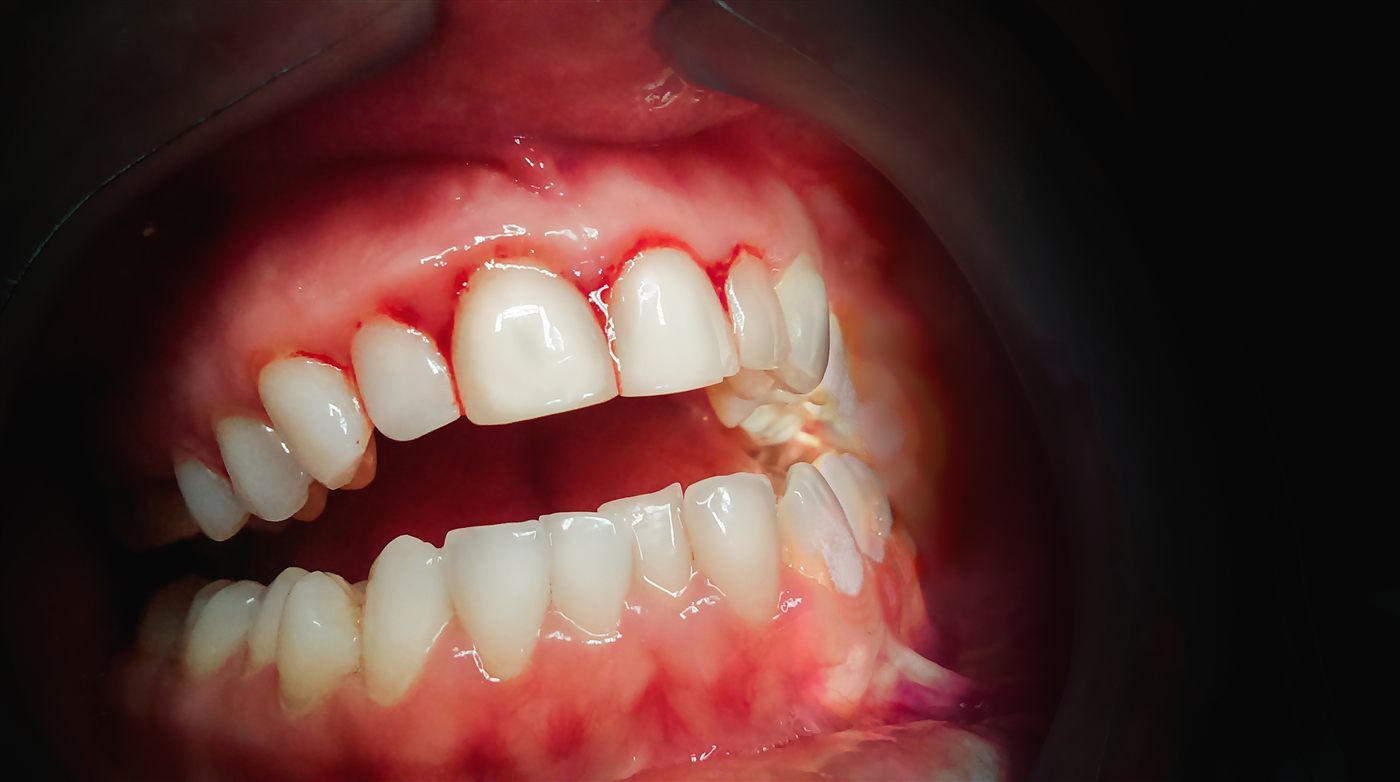
- Bleeding or sore gums, when brushing slips and snacking rises, plaque builds up and gums become inflamed.
- Cold sores, many people find stress brings on an outbreak around the lips.
None of these are serious in isolation, but together they're a clear signal that your mouth is feeling the strain. Keeping up a good hygiene routine and staying hydrated makes a big difference.
Exam season collides with Championships fortnight. Late June in SW19 means revision, results nerves and Wimbledon tennis all at once, plus the temptation of strawberries, fizzy drinks and energy gels. If you're studying near the Common or commuting in from Merton, keep a water bottle and sugar-free gum to hand, and book a check-up before term ends rather than putting it off until the summer rush.
Diet, energy drinks and snacking
Revision fuel is rarely tooth-friendly. Energy drinks and fizzy pop are both sugary and highly acidic, and sipping them slowly over hours bathes your teeth in acid that softens enamel. Grazing on biscuits and sweets has a similar effect, it's the frequency of sugar, not just the amount, that drives decay. The NHS recommends keeping sugary food and drink to mealtimes and choosing water or plain milk between them.
Worried about grinding or sore gums this exam season?
Dr Elizabeth Crake and the team at The Dental Lounges Wimbledon offer relaxed, flexible appointments that fit around revision and exams.
Book an appointment Explore TMD & jaw careProtecting your smile during exams
A few small habits protect your teeth even when life is hectic:
- Stick to twice-daily brushing with a fluoride toothpaste, last thing at night and one other time, even when you're shattered.
- Swap energy drinks for water and keep sugary snacks to mealtimes.
- Stay hydrated to combat dry mouth, and chew sugar-free gum to boost saliva.
- Don't ignore jaw ache, a night splint can spare your teeth from months of grinding.
- Keep your check-up rather than cancelling it; prevention is far easier than a filling mid-exam.
How much does a night splint or check-up cost?
If grinding is the problem, a custom night splint is the usual first step. Here are our real, transparent prices for grinding and jaw-related care at our Wimbledon practice:
| Appointment | Price |
|---|---|
| New patient check-up (inc. 2 X-rays & oral cancer screening) | Contact us for current fees |
| TMD consultation & bite analysis | prices on request |
| Custom occlusal splint (night guard) | prices on request |
| Premium dual-arch splint | prices on request |
| NHS care for under-18s | Free |
Prices are confirmed at your appointment. See our general dentistry and TMD treatment pages for the full lists.
How often should you have a check-up?
There's no one-size-fits-all answer. The NICE guidance followed by the NHS sets recall intervals based on your individual risk rather than a fixed six months for everyone. Many students fall into the higher-risk bracket during exam season, so a check before or just after exams is sensible. Our wider general dentistry team will agree the right interval with you.
When to get checked
See a dentist if you have an ulcer lasting longer than three weeks, persistent jaw pain or headaches, ongoing tooth sensitivity, or bleeding gums that don't settle with good brushing. These are easy to manage when caught early. Whenever you're ready, our friendly team at The Dental Lounges in Wimbledon Village is here to help you through exam season and beyond.
Frequently asked questions
Yes. The NHS lists stress and anxiety as common triggers for teeth grinding (bruxism), which often happens at night without you realising. During exam season the extra pressure can make it worse, leading to jaw ache, headaches and worn teeth. A custom night splint protects your teeth while you sleep.
Mouth ulcers are very common and stress is a recognised trigger, alongside tiredness and minor mouth injuries from biting the cheek. Most clear up on their own within a week or two. If an ulcer lasts longer than three weeks, the NHS advises getting it checked by a dentist or GP.
Yes. Keeping your routine check-up is one of the simplest ways to stay on top of grinding, gum problems and decay before they become painful. Our Wimbledon practice offers flexible appointments around revision and exams, and NHS dental care is free for under-18s and many students.