By Dr Elizabeth Crake
By the time October half-term arrives in SW19, Wimbledon Village is unrecognisable. The High Street fills with carved pumpkins outside the boutiques, the cafés dress their windows with cobwebs, and the long amber evenings, cooler now than they were just a month ago, with Wimbledon Common already carpeted in fallen leaves from the chestnut trees, carry that unmistakable autumnal chill that signals one thing to children: Halloween is here. For many families in our area, the 31st means costumes, lanterns through Cannizaro Park and a determined sweep of the neighbourhood for sweets. As a dentist who sees children across Wimbledon and SW19 at The Dental Lounges Wimbledon, I want to help you enjoy every bit of it, without the dental bill in November.
The honest truth is that Halloween is not the problem. A single night of sweets is far less damaging to teeth than a year's worth of daily sugary snacks, fizzy drinks or fruit juice between meals. The damage happens when Halloween becomes a week-long grazing event, with children dipping into their sweet bag at every opportunity from the 31st through to bonfire night. With a few simple strategies, you can protect their teeth without becoming the parent who confiscates the candy and ruins the magic.
Why sugar causes tooth decay, and why frequency matters more than quantity
Every time your child eats something sugary, the bacteria that live naturally in their mouth feed on that sugar and produce acid as a by-product. That acid attacks the tooth's enamel surface for roughly 20 to 40 minutes before saliva can neutralise it. If your child eats one large portion of sweets in one sitting, there is one acid attack. If they eat sweets five times throughout the day, there are five separate acid attacks, and cumulative enamel erosion follows.
This is why the NHS recommends limiting sugar to mealtimes rather than banning it entirely. The logic applies perfectly to Halloween: one post-dinner sweet session does far less harm than a sweet bag left open on the kitchen table.
Not all Halloween sweets are equal in terms of dental risk. The most harmful are:
- Sticky and chewy sweets, toffees, gummy bears, cola bottles, caramels and chewy fruit sweets cling between teeth and to fissures on the biting surfaces, and can remain there for hours
- Hard-boiled sweets and lollipops, children suck these slowly, bathing their teeth in sugar solution for many minutes at a time
- Sour sweets, these combine sugar with citric acid, delivering a double hit of enamel erosion
- Fizzy sweets, the sherbet or fizzing coating is highly acidic and particularly harsh on young enamel
Chocolate is genuinely the lesser evil, it melts quickly, does not stick to teeth in the same way, and rinses away with saliva relatively efficiently. If your child is going to eat sweets on Halloween night, you are better off steering them towards a couple of chocolates over a handful of chewy gummies.
Practical strategies for trick-or-treat night in SW19
Managing the sweet intake does not have to mean conflict. These approaches work well for families in our area and do not require you to be the villain of the evening.
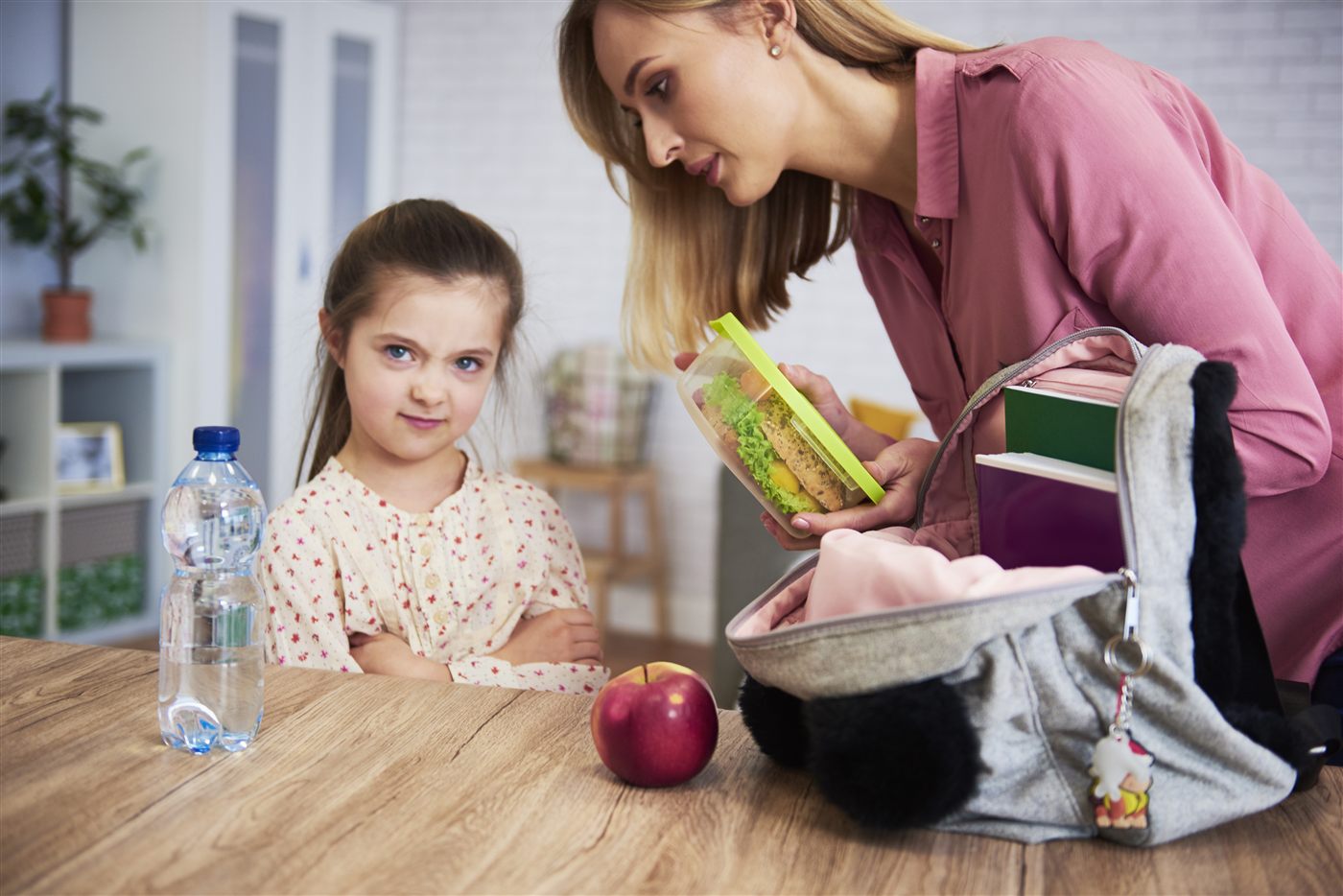
- Feed them a proper dinner first. A child who has eaten a good meal before heading out will be less ravenous and more likely to accept limits on sweets. It also means their saliva levels are high and their stomach is not empty, both of which help buffer acid in the mouth.
- Designate a "sweet hour" after trick-or-treating. When your child gets home, let them sit down and enjoy a reasonable portion of their haul in one go, rather than picking at sweets during and after the walk. This concentrates the sugar exposure into a single event rather than spreading it across the whole evening.
- Have water available throughout. Drinking plain water (not juice or squash) while eating sweets helps dilute sugar and acid and stimulates saliva production. Carry a bottle on the trick-or-treat round.
- Sort the haul together. Making a game of sorting sweets by type gives you a natural opportunity to quietly move the stickiest offenders, gummies, toffees, lollipops, to a separate pile while keeping chocolate and less harmful options more accessible. Children are often surprisingly willing to trade sticky sweets for other treats or small privileges.
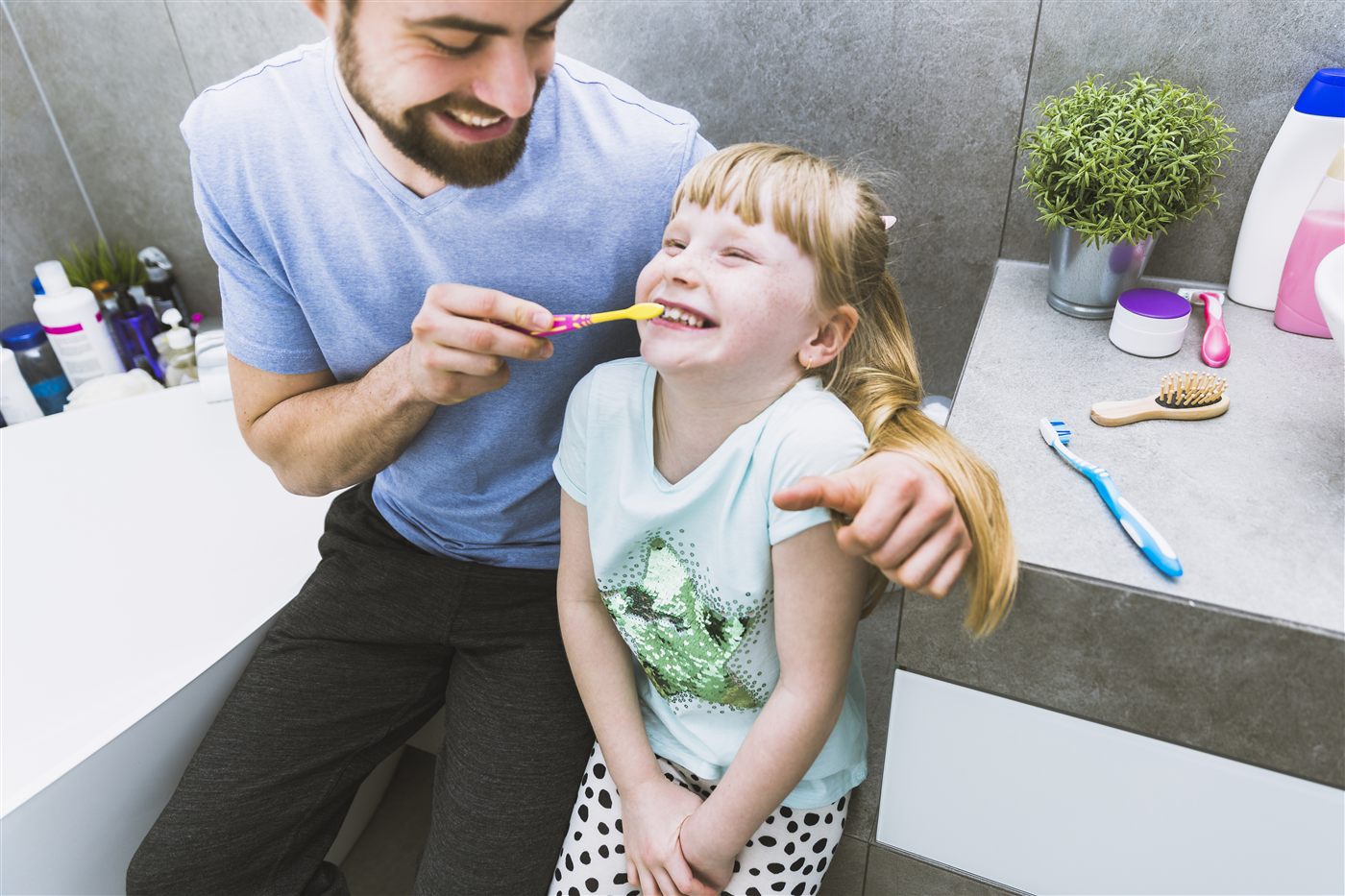
- Brush 30 to 60 minutes after the last sweet. Do not brush immediately, acid-softened enamel is more vulnerable to abrasion for a short window after sugar exposure. Wait half an hour, then brush with a fluoride toothpaste appropriate for your child's age.
- Do not let children go to bed with sugar on their teeth. Saliva production drops dramatically during sleep, removing the mouth's natural defence mechanism. Sweets eaten late in the evening must be followed by brushing before bed, without exception.
If you have been working on building consistent brushing habits with your children throughout the year, Halloween is a great moment to reinforce those habits rather than suspend them, remind children that even on the spookiest night of the year, the two-minute brush before bed still applies.
Wimbledon Village High Street and Wimbledon Broadway are two of the most popular trick-or-treat destinations in the area, the streets fill quickly once dusk falls and a determined child can accumulate an impressive haul in a surprisingly short time. Rather than allowing the sweet bag to be picked at during the entire walk, try the "sweet hour" approach: collect the sweets on your route, then sit down as a family after dinner to enjoy a measured portion together. Having that one concentrated sweet session after a meal, rather than grazing throughout the evening, and then brushing teeth 30 to 40 minutes later dramatically cuts the number of acid attacks on your children's teeth. One enjoyable session, one clean up. The rest of the haul can go into a jar to be rationed over the following week at mealtimes only.
Managing the aftermath: making the sweet bag last without causing damage
The night itself is manageable. The real challenge is the week that follows, when children wake up each morning knowing there is a bag of sweets waiting for them. A few guidelines help here:
- Store sweets out of easy reach. Out of sight, out of mind. A jar on a high shelf is less tempting than a bag on the kitchen counter.
- Sweets at mealtimes only. Allow a small sweet as part of or immediately after lunch or dinner, never as a standalone between-meal snack. This keeps sugar exposure confined to existing acid-attack windows rather than creating new ones.
- Set a clear end point. Whether it is "one week" or "until bonfire night", giving the sweet supply a defined lifespan helps children accept that it will run out, and prevents the bag becoming a permanent fixture in your kitchen through to Christmas.
- Consider the swap approach. Some families offer to "buy" excess sweets from their children in exchange for a small amount of pocket money, a film night or a trip somewhere, Cannizaro Park has wonderful autumnal walks this time of year, and Wimbledon Park is beautiful in mid-October with the leaves turning. Trading a bag of gummies for an afternoon outside is genuinely a good deal for everyone.
The Oral Health Foundation recommends limiting sweet or sugary food and drink to no more than four occasions per day, and ideally fewer. During the Halloween week, that guidance is worth keeping at the front of your mind.
Building these habits at home goes hand in hand with what we cover in our guide to preventing tooth decay in young children, the same principles apply year-round, and Halloween is a good moment to revisit them with your children in a context they find engaging.
What to look for after Halloween, and when to call us
In the vast majority of cases, a well-managed Halloween followed by normal brushing will leave children's teeth completely unharmed. That said, it is worth knowing the signs that something needs attention:
- Tooth sensitivity to cold, if your child complains that cold water or ice cream causes a sharp ache in a specific tooth, this warrants a check-up
- A visible dark spot or discolouration, early decay often presents as a brown or chalky white patch on the tooth surface
- Complaints of toothache, persistent toothache in a child should never be left to resolve itself; it is almost always a sign that decay has reached the dentine layer
- A sweet stuck under or between teeth, sticky toffees and gummies can genuinely become wedged between teeth; if your child cannot dislodge something with gentle brushing or flossing, contact us
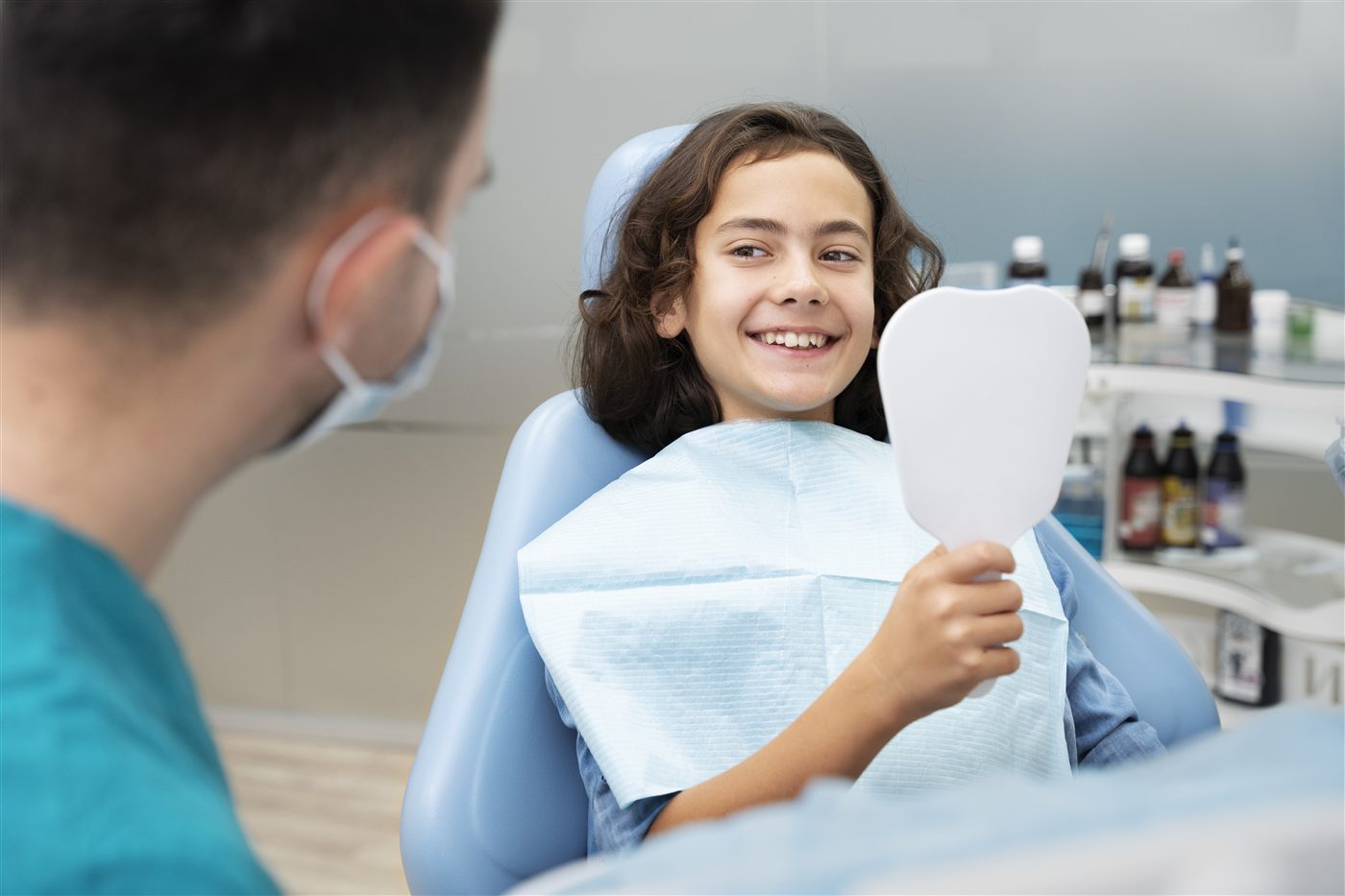
If your child is already on a regular six-monthly check-up schedule with us, there is no need to book an additional appointment solely because of Halloween, unless you notice any of the above. If it has been longer than six months since their last visit, now is the perfect time to book in. Catching early-stage decay at a routine check-up is quick, comfortable and straightforward; decay that is left to progress becomes a much bigger event for everyone.
Book your child's check-up at The Dental Lounges Wimbledon. Our friendly team at 92 High Street, Wimbledon Village cares for children and families across SW19. Call us on 020 3034 4044 or request a callback and we will find a time that works around the school run.
Frequently asked questions
Sticky and chewy sweets, such as toffees, gummy bears, cola bottles and caramel chews, are the most damaging because they cling to tooth surfaces and between teeth for a long time, giving bacteria a sustained sugar supply. Hard-boiled sweets that are sucked rather than chewed are also problematic because the sugar exposure can last many minutes. Chocolate is actually a better choice in comparison, as it melts quickly and rinses away with saliva more easily. The key principle is frequency: one sweet-eating occasion after a meal is far less harmful than grazing throughout the day.
No, brushing immediately after eating sugary foods can actually cause harm. When sugar is consumed, mouth bacteria produce acid that temporarily softens tooth enamel. Brushing during this window can abrade the softened enamel. The NHS recommends waiting at least 30 to 60 minutes after eating before brushing. Drinking water or rinsing with plain water straight after sweets is a helpful interim step, as it dilutes the acid and washes away residual sugar.
If your child is already on a regular six-monthly check-up schedule with us, there is no need to book an additional appointment unless you notice something concerning, such as a tooth that is sensitive to cold, a visible dark spot, or a complaint of pain. If it has been more than six months since their last check-up, Halloween is actually a timely prompt to book in. Early-stage decay spotted at a routine appointment is simple to treat; decay that is left can become a much bigger and more uncomfortable problem. Call The Dental Lounges Wimbledon on 020 3034 4044 to arrange a check-up.