By Dr Elizabeth Crake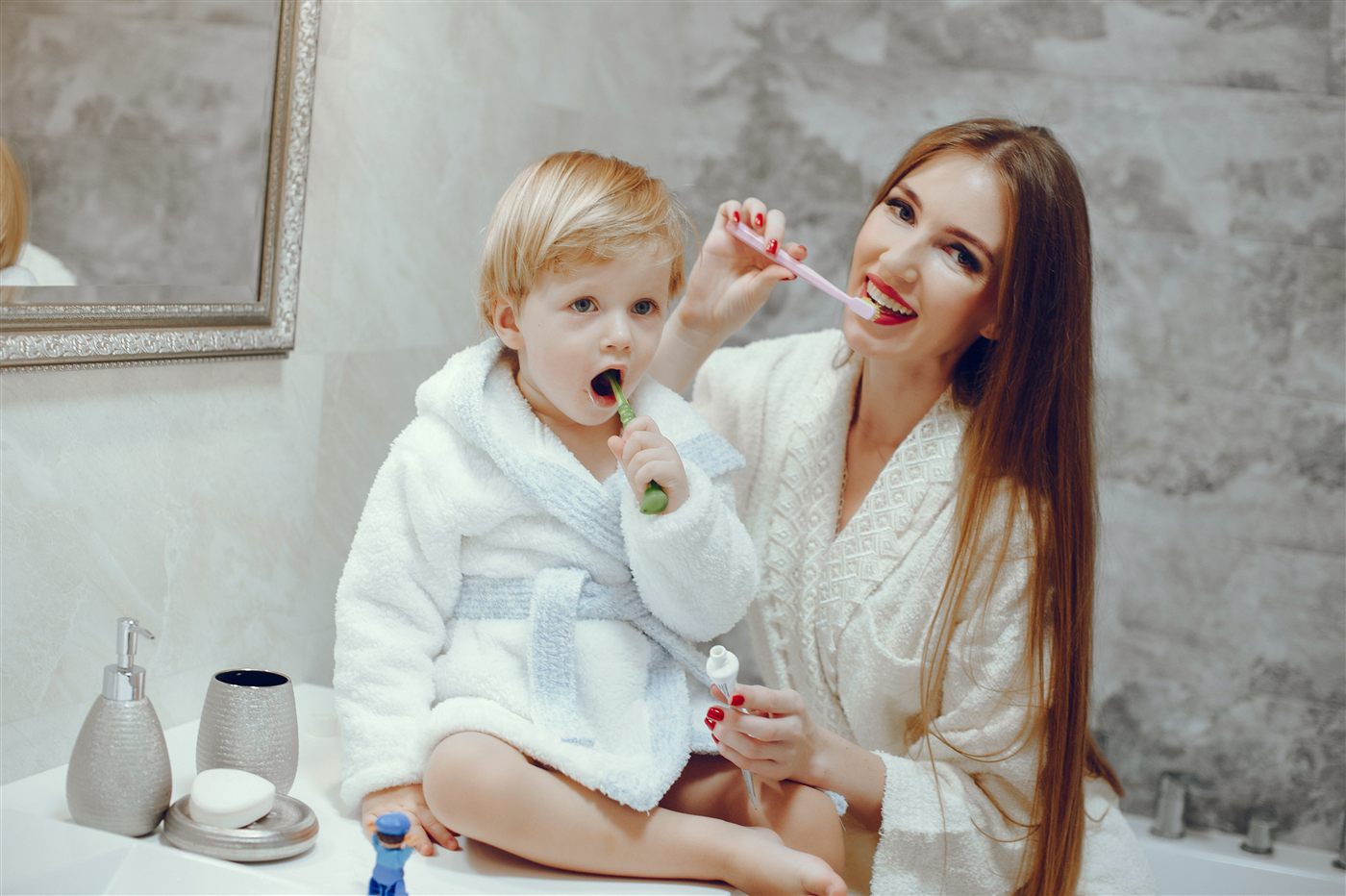
The best dental care doesn't happen in the chair, it happens at home, twice a day, every day. For busy Wimbledon households juggling school runs, work and weekend sport, the secret to strong teeth and healthy gums isn't doing anything dramatic; it's building a simple routine the whole family can stick to. Here's how to create dental habits at home that actually last, from brushing technique and timing to clever diet swaps and ways to keep little ones on side.
Start with the foundation: brushing that works
Most of us were never really taught how to brush properly, yet good technique is the single biggest thing you can do at home. The NHS recommends brushing twice a day for about two minutes with a fluoride toothpaste, last thing at night and on one other occasion. A few small adjustments make a real difference:
- Mind the timing. The night-time brush matters most, because saliva flow drops while you sleep and teeth are more vulnerable.
- Angle the brush. Hold it at roughly 45 degrees to the gumline and use small, gentle circular movements rather than a hard scrubbing motion.
- Cover every surface. Outer, inner and biting surfaces of every tooth, plus a gentle brush of the tongue.
- Spit, don't rinse. After brushing, spit out the toothpaste but don't rinse with water, that washes away the protective fluoride before it can do its job.
- Replace the brush. Swap a manual or electric brush head every three months, or sooner if the bristles splay.
Don't skip the bits a brush can't reach
Brushing alone misses around two-fifths of each tooth's surface, the gaps between them. Cleaning between teeth daily, with floss or interdental brushes, removes the plaque a brush simply can't reach and is one of the most underrated home habits for healthy gums. The NHS suggests cleaning between your teeth before brushing, ideally once a day. For children, you can start gently flossing once two teeth grow close enough to touch.
If bleeding gums put you off, that's usually a sign to keep going gently rather than to stop, it often settles within a week or two of regular cleaning. Persistent bleeding is worth raising with our general dentistry team or a hygienist.
Good habit vs better habit: a daily routine at a glance
You don't have to overhaul everything overnight. Often it's a small upgrade to an existing habit that pays off. This table shows simple ways to level up your family's daily routine, in line with NHS guidance:
| Routine | Good habit | Better habit |
|---|---|---|
| Brushing frequency | Once a day | Twice a day, including last thing at night |
| Brushing time | A quick once-over | A full two minutes with a timer or song |
| After brushing | Rinse with water | Spit, don't rinse, let the fluoride keep working |
| Between teeth | Brushing only | Floss or interdental brushes once a day |
| Sugary snacks & drinks | Grazing through the day | Kept to mealtimes, water or milk between |
| Children's brushing | Left to do it alone | Supervised until around age seven |
| Check-ups | Only when something hurts | Regular check-ups as advised by your dentist |
Smart diet swaps for stronger teeth
What, and crucially, how often, your family eats and drinks matters as much as brushing. It's the frequency of sugar that drives decay, not just the amount, because every sugary or acidic hit triggers an acid attack on enamel. A few easy swaps go a long way:
- Make water or plain milk the everyday drink, saving juice and squash for mealtimes only.
- Choose cheese, plain yoghurt, breadsticks or veg sticks for between-meal snacks instead of biscuits and sweets.
- Keep sugary and acidic treats to mealtimes rather than spreading them across the day.
- Check labels, many cereals, flavoured yoghurts and "fruit" snacks are surprisingly high in sugar.
- Wait before brushing after acidic food or drink; leaving about an hour protects softened enamel.
Make brushing part of the family's natural rhythm. Wimbledon mornings are busy, the dash for the District line, the walk to school across the Common, so anchor brushing to fixed points in the day rather than relying on a free moment that never comes. A holder by the basin for everyone's brush, and a two-minute song on a phone, turns the morning and bedtime brush into something the whole household does together, even on a hectic Championships fortnight.
Making it fun for kids
Children are far more likely to keep up habits that feel like play rather than a chore. A few approaches that work well at home:
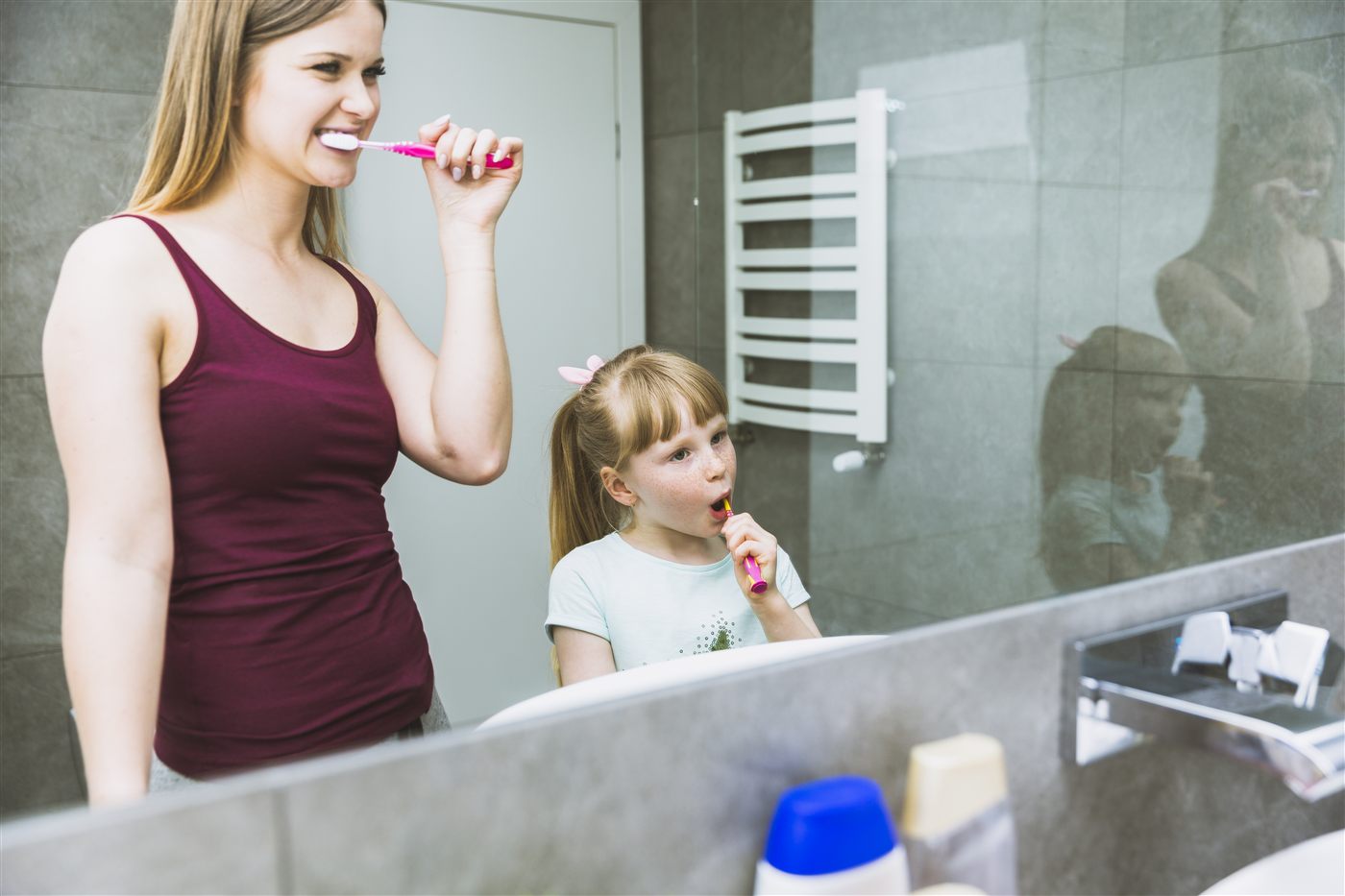
- Brush together. Little ones copy what they see, so brushing as a family makes the habit stick.
- Use a timer or song. A two-minute tune or a brushing app turns the clock into a game.
- Let them choose. Picking their own toothbrush colour or character gives a sense of ownership.
- Try a reward chart. A sticker for each morning and night builds a visible streak to be proud of.
- Keep supervising. The NHS advises supervising children's brushing until around age seven to keep technique on track.
Bring your family's home routine into the practice
Dr Elizabeth Crake and the team at The Dental Lounges Wimbledon can tailor brushing, flossing and diet advice to each member of your household, and keep everyone on track with regular check-ups.
Book an appointment Explore family dentistryWhere home habits and the dentist meet
A great home routine and regular professional care work hand in hand. Even with diligent brushing, plaque hardens into tartar that only a hygienist can remove, and a check-up catches small problems before they become painful. At our Wimbledon practice a new patient examination includes X-rays and an oral cancer screening; contact us for current new-patient fees. A regular check-up is £80, and a standard hygiene clean is £90, with children's hygiene at £80. NHS dental care is free for under-18s in England, and Denplan membership options are available to spread the cost of routine care for the whole family, contact us for current pricing.
Build the everyday habits at home, pair them with regular visits, and you give every member of your household the strongest possible foundation. Whenever you're ready, our friendly team in Wimbledon Village is here to help.
Frequently asked questions
The NHS recommends brushing twice a day for about two minutes each time with a fluoride toothpaste, last thing at night and on one other occasion. Setting a two-minute timer or playing a short song helps the whole family brush for long enough.
No, the NHS advises spitting out toothpaste after brushing and not rinsing with water. Rinsing washes away the concentrated fluoride that protects your teeth, so "spit, don't rinse" lets the fluoride keep working for longer.
Make it part of a fixed routine, brush together as a family, use a two-minute song or app timer, let children pick their own brush, and use a reward chart for consistent brushing. Supervising brushing until around age seven keeps technique on track while keeping it positive.