By Dr Elizabeth Crake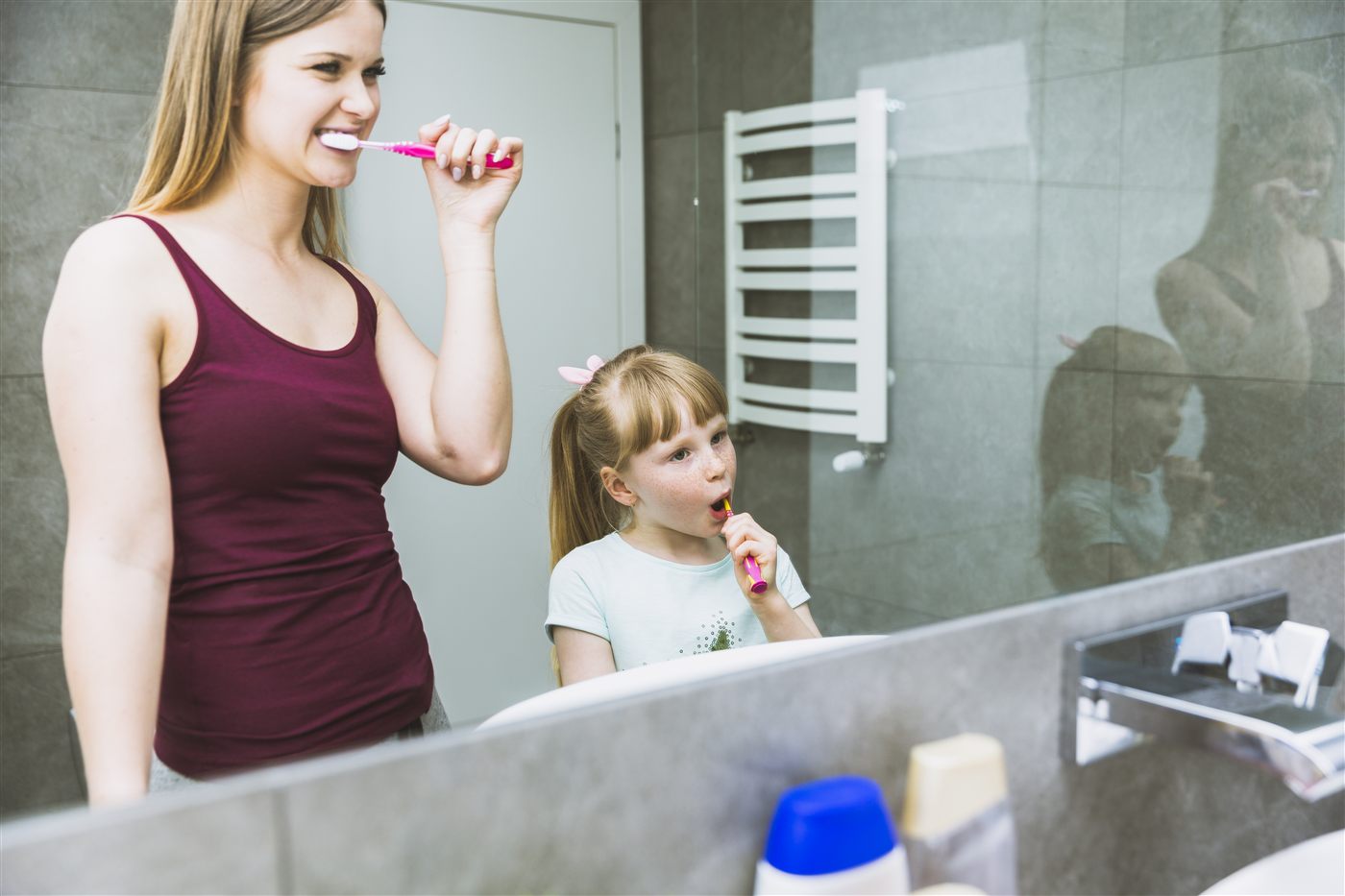
Children are expert imitators. Long before they understand why brushing matters, they copy what they see, and the person they watch most closely is you. For Wimbledon families, that's genuinely good news: the simplest way to give your child healthy teeth for life isn't a clever gadget or a strict lecture, it's letting them see good habits in action every single day. Here's how to lead by example, from the bathroom sink to the dinner table.
Why children copy what they see
Toddlers and young children learn by mirroring the adults around them. If brushing is something the whole family does, calmly, twice a day, without drama, your child files it away as simply "what we do", in the same way they learn to say please and thank you. If, on the other hand, brushing is a battle that only happens to them, it quickly feels like a punishment rather than a normal part of the day.
The same goes for the dentist. Children who grow up watching a parent attend check-ups without fuss tend to be far calmer in the chair themselves. Modelling matters more than any single instruction you give.
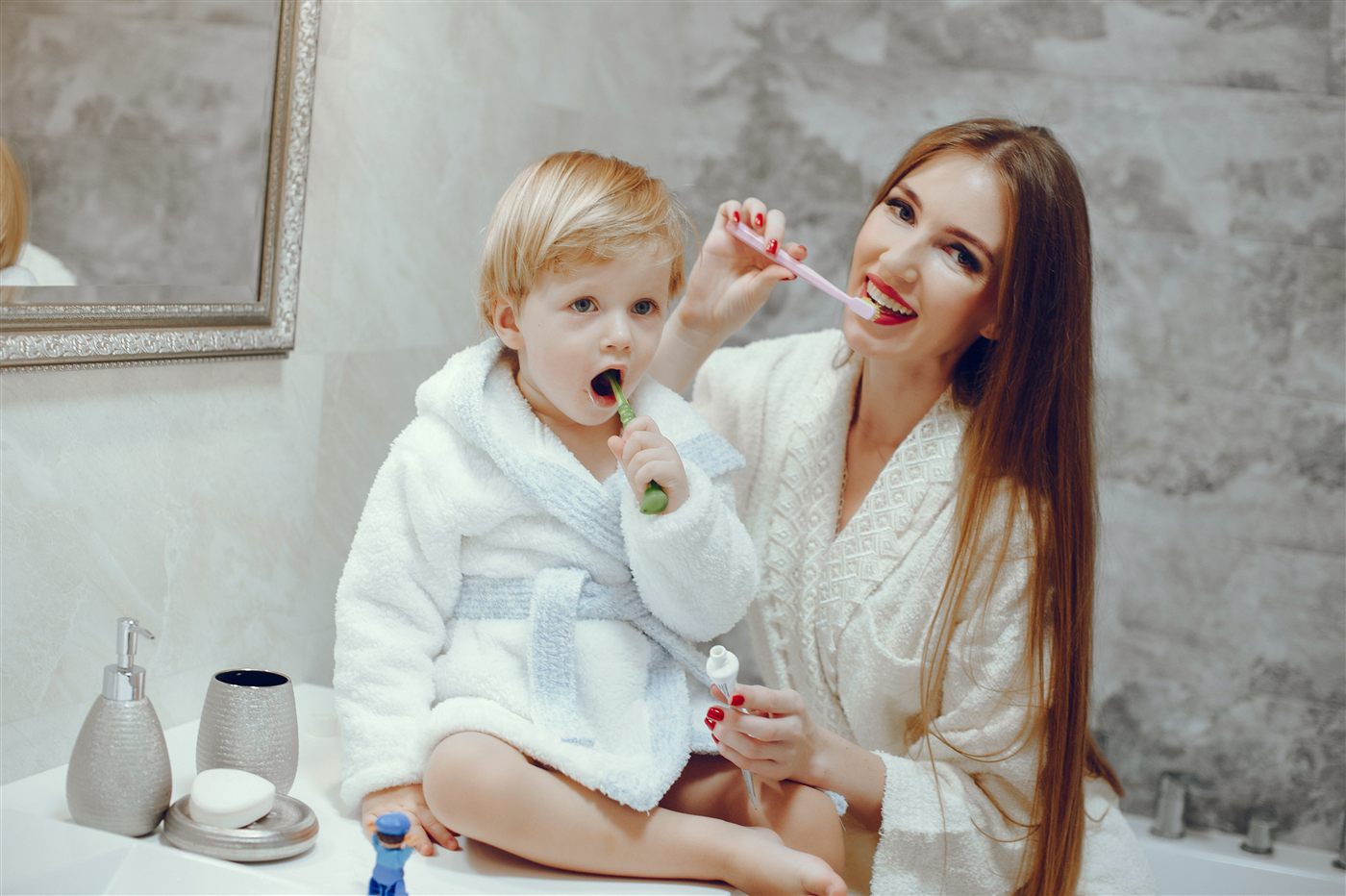
Model great brushing, together
The most powerful thing you can do is brush alongside your child so they can copy your technique. The NHS guidance on children's teeth recommends brushing last thing at night and on one other occasion every day, with a fluoride toothpaste, and supervising or helping until your child is at least seven. A few habits worth modelling out loud:
- Two minutes, every time. Use a timer, an app or a favourite song so your child sees you taking your time too.
- Spit, don't rinse. Spit out excess toothpaste but skip the water afterwards, rinsing washes away the protective fluoride.
- Cover every surface. Show them how you reach the gum line and the back teeth, not just the easy fronts.
- Change the brush. Replace toothbrushes every few months and let your child help choose theirs.
- Make it routine, not reward. Brushing happens because it's bedtime, not because behaviour was good.
South-west London sits in a hard-water area. That means more limescale and, for tea and coffee drinkers, more surface staining over time, something children notice on a parent's smile. Modelling a twice-daily routine and regular hygienist visits (from £90 at our Wimbledon Village practice) keeps everyone's teeth brighter and shows children that looking after your smile is a lifelong habit, not just a childhood chore.
Set the example at the dinner table
Diet shapes dental health as much as brushing does, and again children take their cue from the family menu. It's far easier to keep a child off constant sugary snacks when the adults aren't grazing on them either. The NHS advice is clear: keep sugary foods and drinks to mealtimes rather than spreading them through the day, because it's the frequency of sugar that does the damage.
Simple swaps the whole household can share include water or milk instead of squash and fizzy drinks, fresh fruit or cheese in place of biscuits, and keeping fruit juice to one small glass with a meal. When children see these as the normal family choices rather than restrictions placed only on them, they're far more likely to carry the habits into adulthood.
Make check-ups a family routine
Attending the dentist together is one of the most underrated ways to lead by example. When a child watches a parent sit calmly through an examination, they learn there is nothing to fear. The right interval between visits depends on individual risk, the NHS sets out the recommended ranges below.
| Who | Recommended interval between check-ups |
|---|---|
| Adults (lower risk of dental problems) | Up to 24 months |
| Adults (higher risk of dental problems) | As short as 3 months |
| Children and young people under 18 | From 3 months up to 12 months |
Your dentist recommends a recall interval for each person individually. Booking the family in around the same time turns the dentist into a shared, unremarkable part of life. NHS dental care is free for under-18s; our private general & family check-ups include two x-rays for new patients; contact us for current new-patient fees. Returning-adult check-ups are £80, with children's exams at £55–£60.
Bring the whole family to Wimbledon Village
Gentle, unhurried check-ups for parents and children with Dr Elizabeth Crake and the team at The Dental Lounges Wimbledon. Book everyone in together and lead by example.
Book an appointment See family dentistrySmall habits, big difference
You don't need to be perfect to be a good role model, you just need to be consistent and visible. A few everyday signals make a lasting impression:
- Brush where they can see you, not behind a closed door, so the routine is something you share.
- Talk positively about the dentist and never use a check-up or treatment as a threat.
- Wear a mouthguard for sport and your sporty teenager is more likely to as well.
- Carry water, not fizzy drinks, on days out on Wimbledon Common.
- Keep your own appointments, children notice when grown-ups practise what they preach.
Whether you're a new patient or returning, our friendly team in Wimbledon Village would be glad to help your whole family build habits that last. If you'd like to add a deeper clean to the routine, our hygienist appointments are a great place to start.
Frequently asked questions
Very early. Toddlers love to imitate, so letting your child watch you brush, and brushing together, from around their first tooth helps the routine feel normal. The NHS recommends supervising and helping with brushing until your child is at least seven, which is also a natural way to keep modelling good technique.
Anchor it to fixed points in the day, last thing at night and one other time, and brush as a family so it becomes shared, not a chore. Use a timer or a two-minute song, spit but don't rinse to leave fluoride on the teeth, and keep sugary snacks and drinks to mealtimes.
The NHS advises that the interval between check-ups can range from 3 months to 2 years for adults, and up to 1 year for children, based on your individual risk of dental problems. Your dentist will recommend a recall interval that suits each member of the family, and attending together helps children see check-ups as routine.